
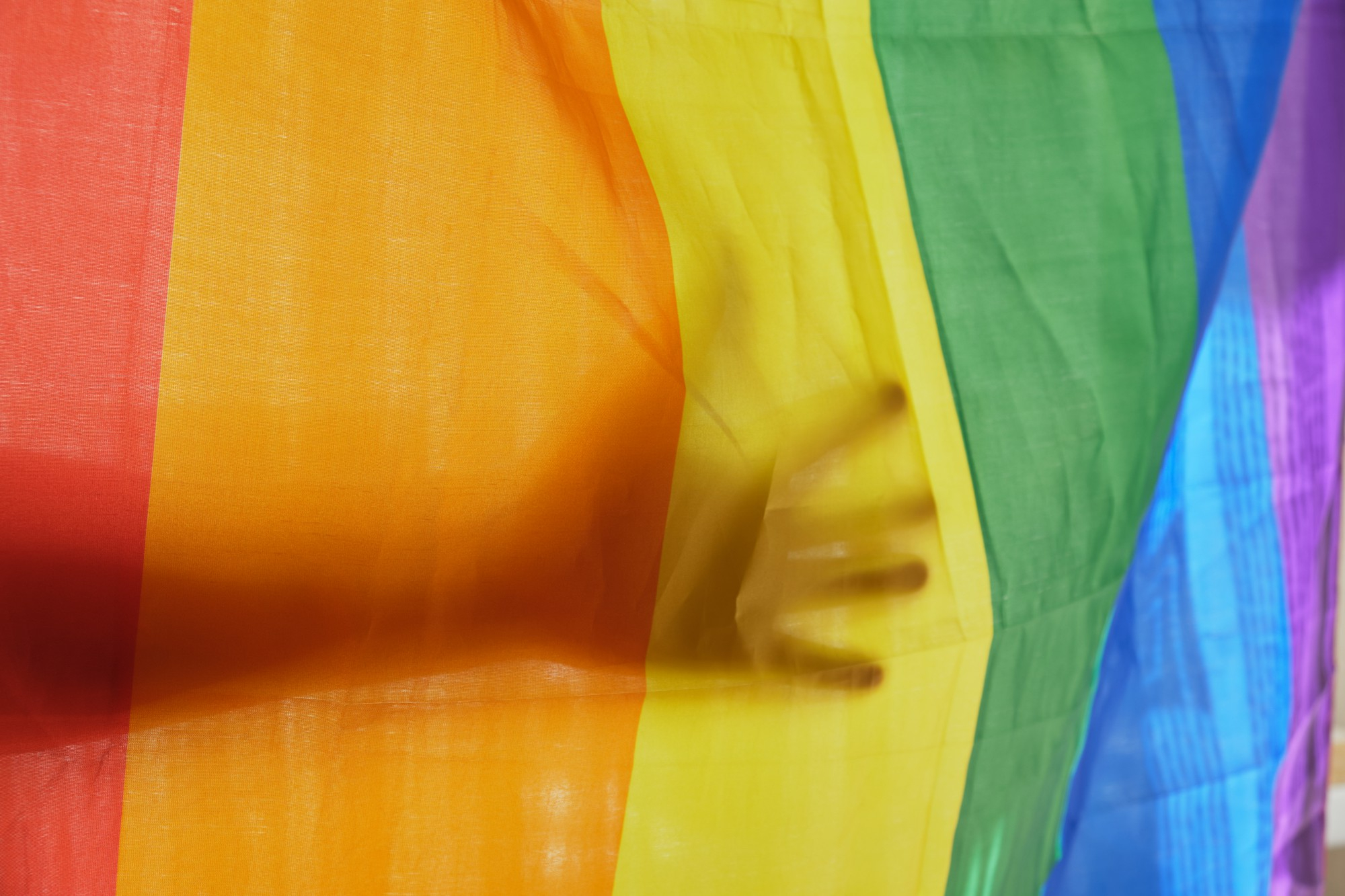
Coming out as LGBTQ+ is a very personal and often anxiety-inducing experience. Especially in Singapore, conservative social norms and lack of legal protections play an important role. This article dives into the social context, the psychological impact of identity concealing, and the impact on LGBTQ+ people’s mental health in Singapore.
Attitudes Towards LGBTQ+ Individuals in Singapore
Singapore remains a relatively conservative country on LGBTQ+ issues. With over 57% of Singaporeans still criticising homosexuality, this reflects the country’s traditional values (Fu et al., 2023). However, attitudes are shifting. There is a growing acceptance among younger generations, with more Singaporeans supporting same-sex couples and more are willing to speak out against prejudice (Ipsos 2022a; Ipsos, 2022b). This shift is partially driven by social media exposure and personal experiences with LGBTQ+ people (Ipsos 2022b; Pang, 2022).
Despite these positive shifts in attitudes, discrimination is still common. According to a poll, 80% of Singaporeans believe that prejudice against the LGBTQ+ population continues (Wong, 2019). This discrimination is not just societal, but also institutional, with laws and regulations failing to recognise same-sex relationships or provide proper protections for LGBTQ+ people (Pang, 2022, Wong, 2019).
Psychological Impact of Identity concealment
In Singapore, a common coping strategy for LGBTQ+ individuals is to conceal one’s sexual orientation or gender identity. This disguise can lead to intensified anxiety and stress due to the perpetual fear of being exposed. With time, this psychological burden of maintaining a façade can develop mental health conditions like depression and anxiety (Darja & Bence, 2024; Ipsos 2022b, Pang, 2022). Additionally, the stress of concealment is heightened by societal stigma, leading to feelings of isolation and discrimination (Pang, 2022). A survey done by Calm Collective Asia illustrated that 63% of respondents were subjected to gender bias or stereotypes, and 44% felt socially excluded (Gupta, 2025).
Anxiety because of Disapproval
- Fear of family rejection and conditional love: The fear of losing parents’ love and support is a real concern. Many LGBTQ+ individuals experience conditional love, where acceptance is contingent upon conformity to traditional norms. This fear can develop into internalised homophobia or transphobia, where people struggle to accept themselves due to societal pressures (Ipsos 2022b). Dr. Adrian Wang notes that not being accepted by family members is one of the most depressing experiences for LGBTQ+ individuals, highlighting the emotional toll of family rejection (Gan, 2019).
- Societal Disapproval: Many fear that coming out will lead to societal judgment or exclusion. This fear is often worsened by the lack of public discussion and representation of LGBTQ+ issues (Ipsos 2022b).
- Fear of Peer Disapproval and loss of relationships: Friends can also be a source of anxiety, as their reactions are unpredictable and may lead to social exclusion. Many LGBTQ+ people worry that friends may not accept them for who they are. This fear is especially pronounced in close-knit social circles where maintaining relationships is important (Ipsos 2022b). This fear can lead to feelings of isolation and loneliness, as individuals struggle to maintain relationships while hiding their true selves (Pang, 2022).
- Fear of Workplace Disapproval: In the workplace, LGBTQ+ individuals may fear discrimination or marginalization, which can impact their careers and livelihood (Pang, 2022).
Anxiety About One’s Safety
- Physical and emotional safety: There is a concern about potential physical or emotional harm if one’s identity is exposed, particularly in environments where discrimination is common. For instance, transgender Singaporeans face high rates of direct discrimination, including threats and physical attacks (Pang, 2022).
- Psychological Safety: The fear of being emotionally rejected or ostracized can also impact mental health. The constant vigilance required to maintain a façade can lead to hypervigilance, a state of heightened alertness that is psychologically stressful and exhausting (Wong, 2019).
Minority Stress Theory
The minority stress theory offers a framework for understanding the mental health impacts of being LGBTQ+ in Singapore. It states that stigma, prejudice, and discrimination foster a hostile and stressful social environment, which contributes to mental health issues (Darja & Bence, 2024; Wong, 2019). This theory emphasises the role of coping techniques and support networks in reducing these negative effects.
Mental Health Implications
According to research, LGBTQ+ people compared to heterosexuals are more likely to experience mental health problems such as depression, anxiety, substance misuse, and suicide (Gan, 2019; Ipsos 2022b). The stress of concealment, social disapproval, and the fear of rejection all contributes to these risks. As a result, it is essential to build supportive environments that promote acceptance while reducing stigma, both within families and throughout society.
Overall, coming out in Singapore is filled with anxiety due to rigid traditions, societal pressures and lack of legal protections. Understanding these challenges is critical for establishing methods to help LGBTQ+ people and protect them from the negative effects on their mental health. By creating a more inclusive and accepting environment, we can help to alleviate the psychological costs associated with identity concealment and societal rejection.
To meet with a professional psychologist or counsellor, call The Other Clinic at 8809 0659 or email us hello@theotherclinic.sg.
Citation:
Darja Grigoreva, & Bence Szaszkó. (2024). Minority stress and psychological well-being in queer populations. Scientific Reports, 14(1). https://doi.org/10.1038/s41598-024-78545-6
Fu, M., Zou, T., Raksha Aiyappan, Ye, X., Simisola Onanuga, Li, A., Smith, S. E., & Baptista, A. (2023). Medical students’ perceptions of LGBTQ+ healthcare in Singapore and the United Kingdom. Frontiers in Medicine, 10. https://doi.org/10.3389/fmed.2023.1236715
Gan, E. (2019, July 20). TODAY. Today. https://www.todayonline.com/singapore/feeling-isolated-stressed-and-depressed-more-lgbtq-individuals-seek-mental-health-support
Gupta, K. (2025, January 7). Calm Collective Asia. Calm Collective Asia . https://www.calmcollective.asia/blog/under-the-surface-mental-health-and-struggles-among-lgbtq-communities-in-india-and-singapore
Ipsos. (2022a). Attitudes towards same-sex relationships in Singapore. https://www.ipsos.com/sites/default/files/ct/news/documents/2022-06/Ipsos%20Report_Attitudes%20towards%20same-sex%20relationships%20in%20SG_June%202022.pdf
Ipsos. (2022b, June 21). Attitudes towards same-sex relationships shift towards greater inclusivity in Singapore. Ipsos. https://www.ipsos.com/en-sg/attitudes-towards-same-sex-relationships-shift-towards-greater-inclusivity-singapore
Pang, I. (2022). Being queer and fighting for LGBTQ+ rights in socially conservative Singapore. Lee Kuan Yew School of Public Policy. https://lkyspp.nus.edu.sg/docs/default-source/ips/thehomeground_being-queer-and-fighting-for-lgbtq-rights-in-socially-conservative-singapore_220627.pdf
Wong, C. (2019, July 16). 80% of Singaporeans say LGBTQ community still faces discrimination: survey. Yahoo! News. https://sg.news.yahoo.com/80-of-singaporeans-say-lgbtq-community-still-faces-discrimination-survey-090136467.html