
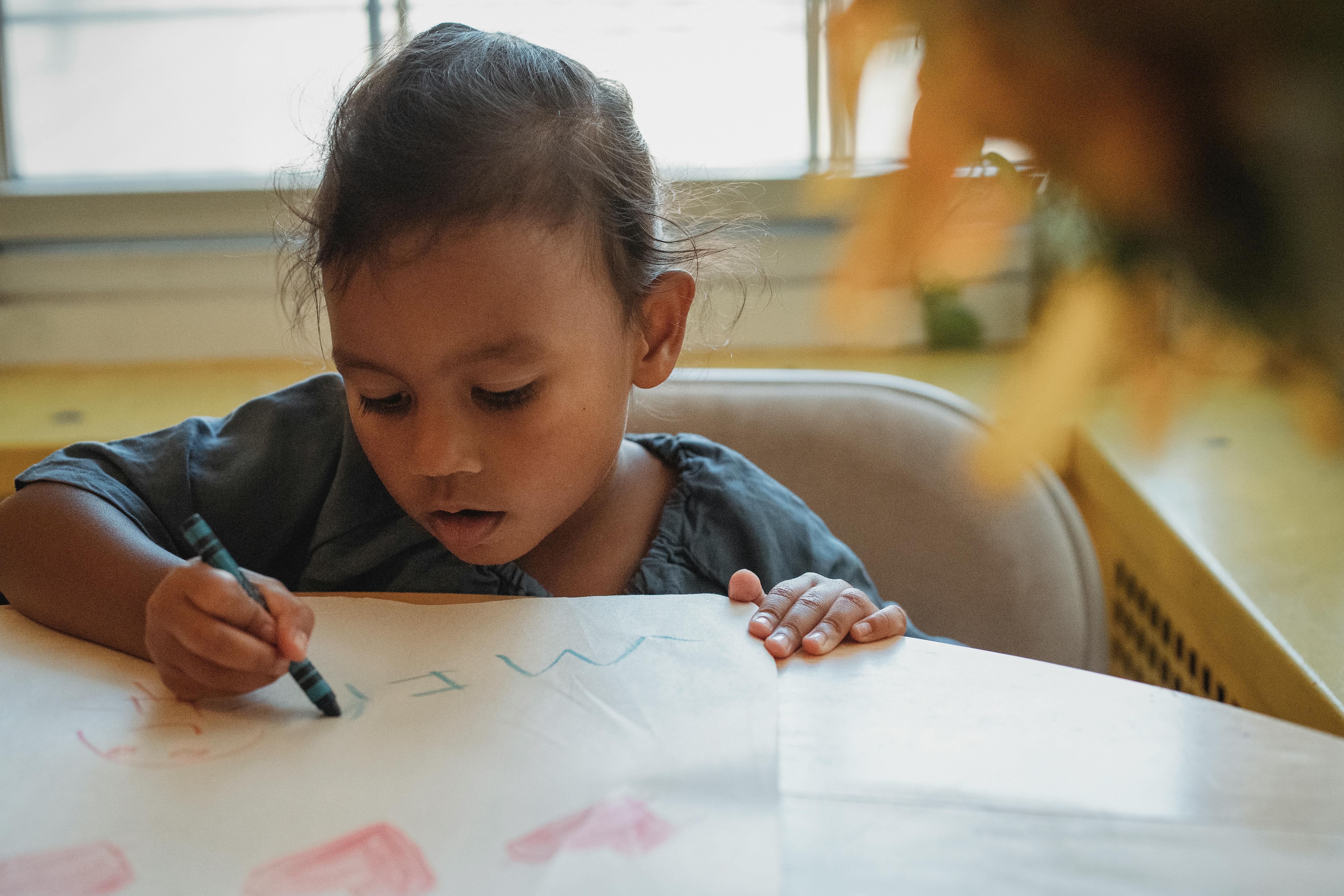
Handwriting is an essential skill for children, playing a significant role in their academic success, motor development, and self-expression. the physical act of writing by hand remains a foundational skill that contributes to a child’s cognitive and motor development.
Handwriting supports various aspects of a child’s growth:
1. Fine Motor Skills: Writing requires fine motor control, especially of the small muscles in the hand and fingers. Practicing handwriting strengthens these muscles, improving children’s overall motor coordination and dexterity.
2. Cognitive Development: Writing by hand activates multiple areas of the brain, promoting cognitive processing, memory retention, and even creativity. Studies show that when children write by hand, they engage in more effective learning compared to typing, which fosters better comprehension and recall of information.
3. Literacy and Language Skills: Handwriting reinforces literacy skills by connecting spoken language with written symbols. This link supports letter recognition, reading fluency, and vocabulary development. Children who develop strong handwriting skills often show better literacy outcomes, which benefit them throughout their education.
4. Self-Expression and Emotional Benefits: Handwriting allows children to express their thoughts and ideas. This creative outlet can help them develop a personal identity, build self-esteem, and enjoy the process of learning. Moreover, the focus required in writing can help improve attention and reduce stress.
Practical Tips and Resources to Support Handwriting Development:
Create a Fun Environment: Incorporate writing into games, storytelling, or art, and use multisensory activities like tracing in sand, shaving cream, or on textured surfaces.
Provide the Right Tools: Use ergonomic pencil grips, raised-line paper, and slant boards to support proper posture and control. Include dry-erase boards or tactile letters for reusable and sensory-rich practice.
Incorporate Helpful Resources: Use books like Handwriting Without Tears. Printable worksheets from Education.com offer targeted exercises to reinforce skills.
Set Up for Success: Create a comfortable, well-lit workspace with proper seating to help your child focus. Break practice into short sessions to prevent frustration and celebrate small wins to boost confidence and enjoyment.
Seek Professional Support: Consult an occupational therapist for tailored strategies if challenges persist and /for extra guidance.
Conclusion
Handwriting is a vital skill that builds confidence, attention, and fine motor abilities in children. While some may struggle, early support makes a big difference. Strong handwriting skills ensure academic success and lifelong benefits. Parents, teachers, and therapists play a key role in fostering this essential skill, even in a digital world.
To meet with a professional psychologist or counsellor, call The Other Clinic at 8809 0659 or email us hello@theotherclinic.sg.