
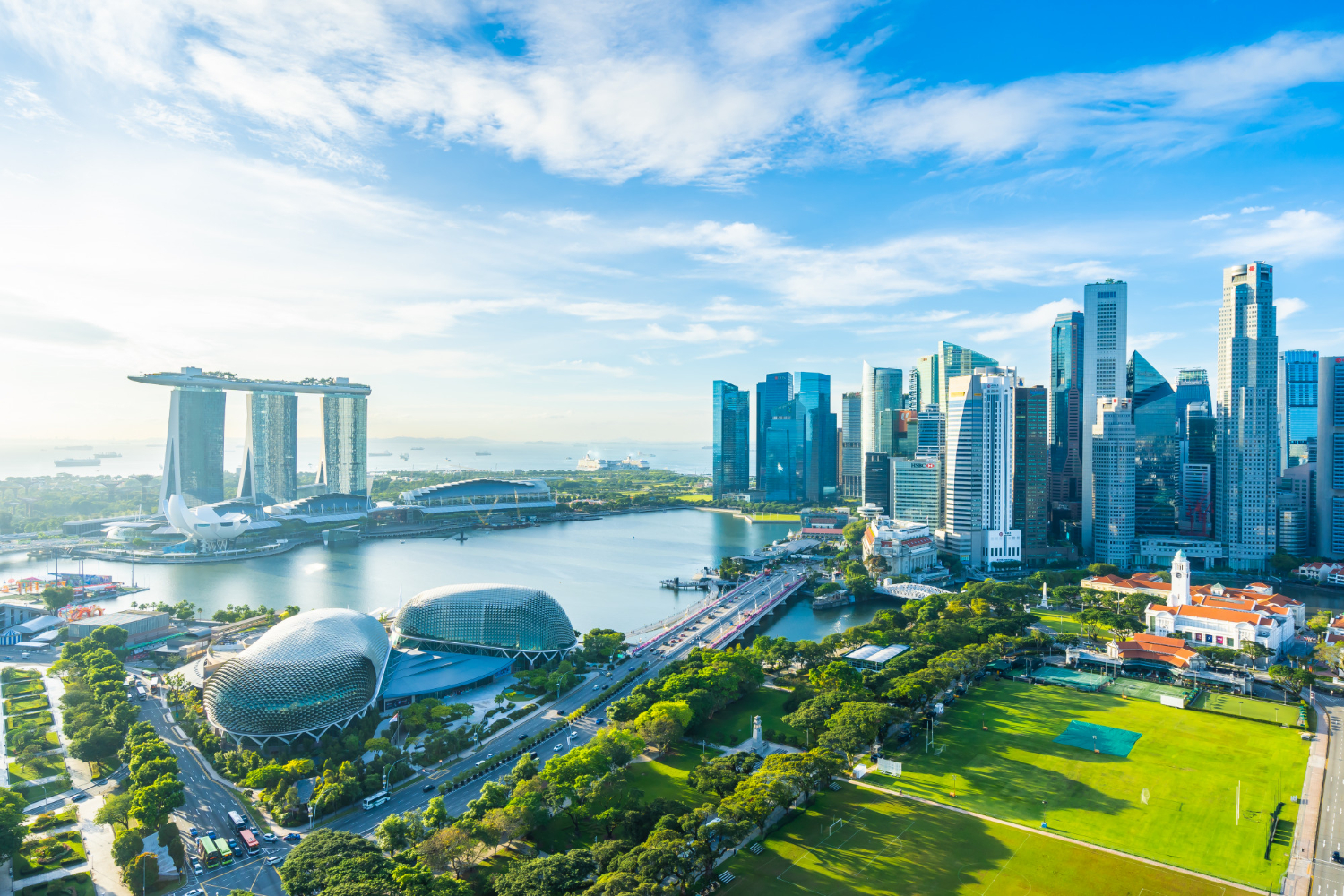
In Singapore, we are often told that time is precious. That every hour should be put toward productivity, whether it’s excelling in academics, climbing the career ladder, or pursuing enrichment activities. Rooted in a culture that prizes meritocracy and achievement, many Singaporeans grow up with the belief that their worth is measured by results, grades, and accomplishments. While this drive has contributed to the nation’s success, it has also given rise to a culture of constant busyness, where rest can feel like wasted time.
But what if doing nothing is, in fact, deeply beneficial?
The Pressure of Productivity
Singapore’s education system is one of the most competitive in the world. From PSLE to university admissions, students face immense academic expectations. This pressure extends into adulthood, where job performance, professional advancement, and material success often define self-worth. In such a context, idleness is often frowned upon, equated with laziness or lack of ambition.
Yet, an endless cycle of striving can take a toll. Research shows that chronic stress and burnout are increasingly common in high-pressure societies, leading to mental health challenges such as anxiety, depression, and insomnia (Ng, 1997; Picco et al., 2016; Tonsing, 2018). Pausing, therefore, is not indulgence – it’s a necessity.
The Benefits of Doing Nothing
“Doing nothing” does not mean neglecting responsibilities. Rather, it refers to moments of intentional rest, giving the mind and body permission to pause. In practice, this might look like sitting quietly without scrolling on a phone, lying on a park bench without an agenda, or simply staring out of a window and letting thoughts drift.
This is different from common misconceptions such as binge-watching Netflix or doom scrolling on social media. While those activities may feel like rest, they actually keep the brain stimulated and engaged, often leaving us more drained than refreshed. True “doing nothing” involves creating quiet, unstructured time where the mind can wander freely, a very different quality of rest.
When I think back to my own childhood, I remember how quickly free time would be filled with “productive” activities. If I had a spare hour, it was usually taken up by piano lessons, tuition classes for every subject, or some form of enrichment. Resting without a plan felt almost unnatural, like I was wasting time that could be spent achieving something. That mindset, deeply rooted in our culture of academic excellence, makes it hard for many of us to sit still without guilt.
Around the world, however, some cultures embrace rest as a value in itself. In the Netherlands, people speak of niksen – the art of doing nothing as a way to relieve stress and spark creativity. In Italy, there’s dolce far niente, or “the sweetness of doing nothing,” celebrated as a joyful way to savor life. Even in Japan, mindfulness practices such as zazen (seated meditation) reflect the value of stillness and simply being present.
This philosophy of quiet observation has also been captured in art and film. Director Yasujiro Ozu is known for lingering “pillow shots” of teapots, corridors, or empty rooms in films like Tokyo Story (1953), which invite audiences to pause and notice the beauty of ordinary life. Similarly, Wong Kar-wai’s In the Mood for Love (2000) slows us down with long, meditative shots of characters walking through hallways or waiting in silence, turning the act of watching into a kind of meditation. Both remind us that there is richness in stillness, and that life is not only found in action but also in quiet observation.
By contrast, in Singapore’s fast-paced meritocratic culture, where time is often equated with productivity and measurable outcomes, choosing to pause can feel uncomfortable, even irresponsible. Yet, these cultural traditions show us that rest and idleness are not wasted time but essential forms of renewal. If societies known for innovation, artistry, and resilience make space for stillness, perhaps Singapore too can reframe rest as not a weakness, but a strength.
Some key benefits include:
- Mental Reset: Resting without stimulus allows the brain to enter a “default mode network,” where creativity, reflection, and problem-solving naturally occur (Raichle, 2015).
- Reduced Stress: Doing nothing helps regulate cortisol levels, lowering the body’s stress response and improving emotional resilience (Sandi & Haller, 2015).
- Improved Focus: Pauses create space for the mind to recharge, enhancing concentration when it’s time to return to work or study.
- Emotional Clarity: Allowing quiet moments helps individuals process feelings and reconnect with their inner values, which can get lost in a culture of performance.
Why It Feels Unnatural in Singapore
The discomfort with idleness is tied to cultural norms. In Singapore, where pragmatism and efficiency are highly valued, productivity is often equated with success, and rest with failure. The Confucian emphasis on diligence and the national narrative of “working hard to survive and thrive” reinforce the idea that achievement must always be earned.
This mindset has its benefits but can also lead to guilt when one is not constantly doing something “useful.” Recognizing this cultural backdrop is important in reframing rest as not the absence of productivity, but as part of sustaining it.
In a society that moves quickly, choosing to pause can be a quiet act of resistance – a way of saying that our worth is not defined solely by output. Embracing moments of stillness not only benefits personal well-being but also challenges narrow definitions of success. Parents, educators, and workplaces can play a role by normalizing downtime, rather than glorifying overwork.
Practical Ways to Practice Doing Nothing in Singapore
- Start Small: Try setting aside 5–10 minutes a day to sit quietly without distractions. No phone, no TV, no agenda.
- Find a Place: Singapore has plenty of spots that invite stillness, a shaded bench at East Coast Park, a quiet corner at the Botanic Gardens, or even your neighborhood void deck.
- Let Go of Guilt: Remind yourself that doing nothing is not wasted time. Just as exercise strengthens the body, rest strengthens the mind.
- Notice the Benefits: Pay attention to how you feel afterwards – calmer, clearer, or more creative. Over time, this helps reframe “idleness” as an investment in well-being.
Rest is a form of nourishment, not neglect. By making space for stillness, we give ourselves permission to be human, not just achievers. In slowing down, we may find clarity, creativity, and a deeper sense of what truly matters.
To meet with a professional psychologist or counsellor, call The Other Clinic at 8809 0659 or email us hello@theotherclinic.sg.
References
Ng, C. H. (1997). The stigma of mental illness in Asian cultures. Australian & New Zealand Journal of Psychiatry, 31(3), 382–390. https://doi.org/10.3109/0004867970907384
Picco, L., Abdin, E., Chong, S. A., Pang, S., Vaingankar, J. A., Sagayadevan, V., Subramaniam, M. (2016). Beliefs about help-seeking for mental disorders: Findings from a mental health literacy study in Singapore. Psychiatric Services, 67(11), 1246–1253. https://doi.org/10.1176/appi.ps.201500442
Raichle, M. E. (2015). The brain’s default mode network. Annual Review of Neuroscience, 38, 433–447. https://doi.org/10.1146/annurev-neuro-071013-014030
Sandi, C., & Haller, J. (2015). Stress and the social brain. Neuron, 85(1), 1–14. https://doi.org/10.1016/j.neuron.2014.12.022
Tonsing, K. N. (2018). A review of mental health literacy in Singapore. International Journal of Mental Health, 47(3), 207–222. https://doi.org/10.1080/00207411.2018.1496811