
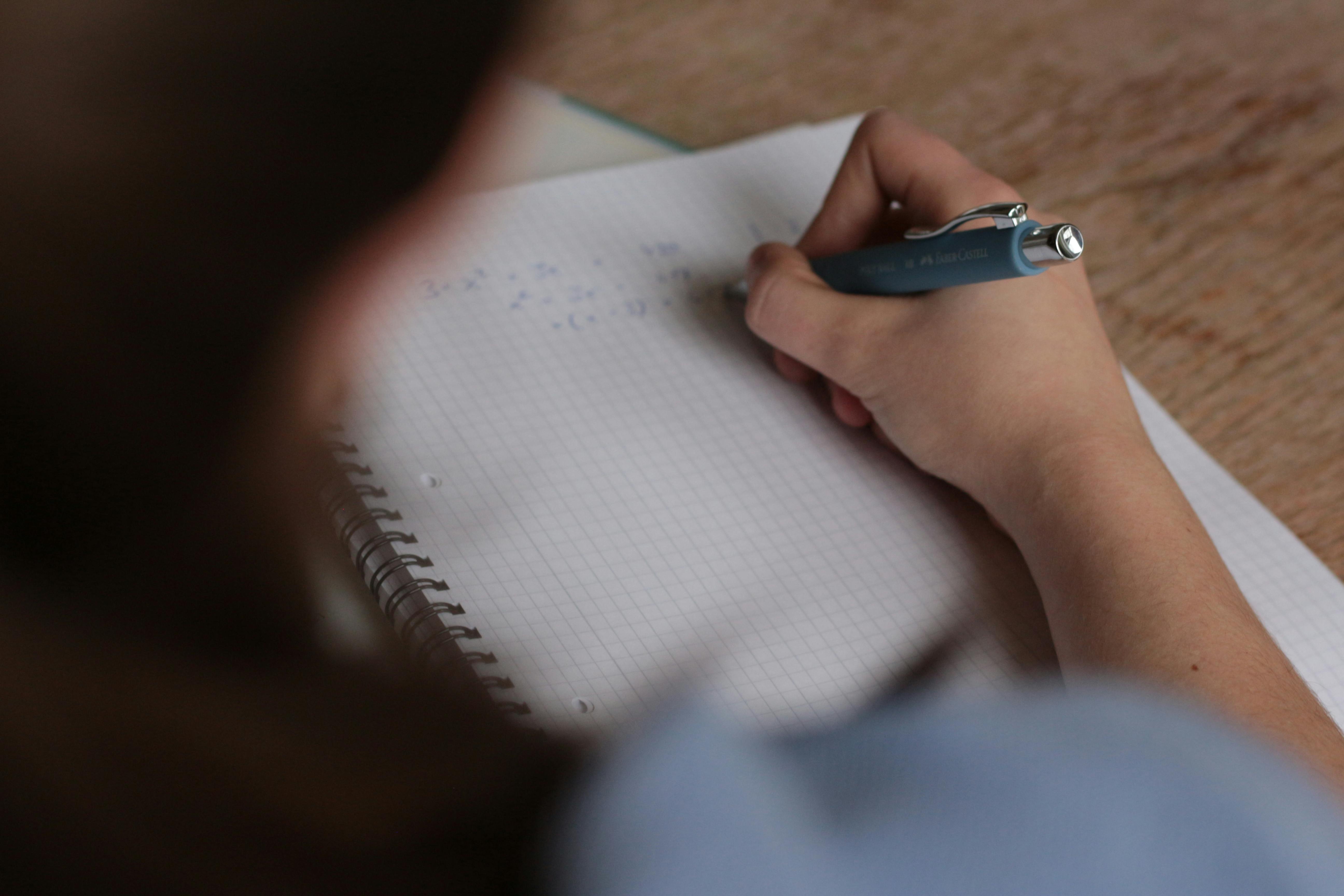
Academic stress is a common and growing concern for children and adolescents worldwide. Driven by high expectations from schools, parents, and society, young people are often pushed beyond their limits in the pursuit of academic success. Whilst education is important for personal growth and future opportunities, the stress associated with achieving academic excellence can have significant consequences impacting young people’s mental and physical health.
Without intervention this stress can have lifelong consequences, for relationships, emotional health, and self-perception. Academic pressure is increasingly recognized as a significant contributor to adolescent anxiety. This article explores the short-term and long-term effects of academic pressure induced anxiety and highlights potential societal and educational changes and actionable strategies for parents to help their children navigate these challenges.
The Prevalence of Academic Anxiety
Academic anxiety is a growing mental health concern stemming from the fear of failure, excessive competition, and the pressure to meet societal and parental expectations. This anxiety is linked to a range of emotional and physical symptoms, including restlessness, difficulty concentrating, sleep disturbances, and fatigue. There are several underlying factors that contribute to academic anxiety; standardized testing, increased competition for higher education places, and cultural expectations all contribute to this growing problem. Moreover, social media exacerbates the issue by fostering unrealistic comparisons with classmates, creating an illusion that others are performing effortlessly whilst in reality they hide their struggles behind their achievements.

What is the impact of academic stress and anxiety on young people?
Short-Term Implications
High levels of academic stress show a correlation with elevated symptoms of anxiety and depression in students. Adolescents experiencing prolonged stress are more likely to have feelings of inadequacy, low self-esteem, and helplessness. Academic stress, however, doesn’t only impact the mind, it has physical implications too. Teenagers under stress often report physical symptoms, including headaches, fatigue, and disrupted sleep. Over time, these issues can lead to weakened immune function and other long-term health problems.
Cognitive function is often also impacted as stress hormones interfere with memory retention, concentration, and problem-solving abilities. Consequently students struggling with exam-related stress and excessive worry perform worse on cognitive tasks compared to their less stressed classmates. This creates a vicious cycle where students’ fear of failure hinders their ability to perform, leading to more intense stress and anxiety and fear of further failure.
Academic stress can also affect a young person’s social life and emotional well-being. Excessive focus on studies often leads to social withdrawal, reducing opportunities for meaningful peer interactions and friendships. This isolation can heighten feelings of loneliness and further exacerbate adolescent mental health challenges contributing to a lack of coping skills and avoidance behaviours.
Lifelong Implications
Without appropriate intervention, academic stress can have a lasting impact. Young people who experience significant stress during adolescence are more likely to develop anxiety disorders, panic disorder, depression and perfectionist tendencies in adulthood, constantly striving for unattainable standards in their personal and professional lives. They are less likely to reach their full academic potential and have fewer educational qualifications which limits their career options, job opportunities and often means lower lifetime earnings. Lacking self belief they may also limit their potential by selecting less challenging careers or high stress careers perpetuating the cycle of anxiety. Interpersonal relationships are also implicated as years of social isolation has impacted their social skills making healthy, trusting meaningful relationships difficult to achieve. Physically they experience exhaustion and burnout, exacerbated by poor sleep habits often, leading to chronic health problems including high blood pressure and heart disease.
While the lifelong implications of untreated anxiety are significant, early intervention can reduce these effects. Cognitive-behavioral therapy (CBT), social skills training, and support from family and school can help anxious adolescents develop coping skills and confidence, enabling them to lead a more fulfilling life with improved mental and physical health.

Tips to limit Impact, what changes could be made?
There are a number of ways we could help reduce the prevalence of academic anxiety in today’s adolescents. A combined societal, parental and educational approach including broader recognition of the problem and wider availability of counselling and mental health support would provide a powerful catalyst for change. Acknowledging that school plays a key role, increased availability of counselling and mindfulness training and student focused stress reduction programs teaching adolescents how to manage stress effectively would be beneficial. Increased availability of learning support aimed at teaching students how to manage their time and workload and how to prioritise would be extremely beneficial, reducing the time spent worrying about completing tasks and falling behind. Counselling areas in school could also provide a safe space for anxious students to come to when they are feeling overwhelmed and need a break. A review of the educational assessment approach shifting from tests and memorisation to projects and team work and celebrating diverse definitions of success not just focusing on grades and test scores would also go a long way to alleviating adolescent academic anxiety.
Practical Tips for parents
- Set realistic expectations.
- Focus on effort and growth rather than grades and outcomes. This approach will reduce fear of failure and promote a growth mindset helping your child to challenge setbacks and see them as an opportunity to learn.
- Share examples of your own challenges and how you overcame them reinforcing that failure is a normal part of learning and personal growth.
- Encourage persistence, problem solving and resilience and limit avoidance behaviour and excessive reassurance
- Praise your child for their hard work rather than just the end result
- Recognise your child’s unique strengths and abilities. Avoid comparing them to siblings or classmates and collaborate on achievable academic goals.
- Talk to your child.
- Educate them about anxiety and help them understand that it is a normal emotion everyone experiences and that it is something they can learn to manage rather than fear.
- Create a safe space for your child to express their concerns and talk to you about their worries. Listen actively and validate their emotions, letting them know it’s okay to feel anxious.
- Ensure your child has balance in their routines.
- Encourage your child to have hobbies and to take time for physical activity to help them relax and recharge.
- Make sure they are getting enough sleep and not studying into the early hours.
- Spend time together and schedule regular activities. An evening walk together this will help reduce stress and anxiety
- Provide practical support and be a positive role model
- Introduce your child to relaxation techniques and teach them how to cope with stress. If you are unsure how to do this engage a professional to help
- Help with organisational and time management skills working with your child and the school where necessary
- Create a calm home environment, establish a routine and predictability helping your child feel more secure and less stress and anxiety
- Monitor for warning signs.
- Watch for changes in mood, appetite, sleep patterns, or interest in activities.
- Engage the help of school or counselling support if your child is becoming increasingly stressed and anxious
Conclusion
Academic stress and anxiety is a reality for many children and adolescents and can have devastating short-term and lifelong consequences. From mental health challenges to physical ailments and career dissatisfaction, the effects of academic pressure can be far- reaching. A combined effort from parents, educators, and mental health professionals can, however, create a balanced and supportive environment where young people can thrive. Moving away from unrealistic expectations and the mindset that ‘A’ grades are king, we can create a future where academic success and personal growth are achieved without negatively impacting mental and emotional health and where young people thrive not just as students, but as individuals.
To meet with a professional psychologist or counsellor, call The Other Clinic at 8809 0659 or email us hello@theotherclinic.sg.
References:
Anderson, T., & Thompson, R. (2023). Link found between academic pressure and mental health problems in adolescence. Journal of Affective Disorders, 325, 87–95. https://doi.org/10.1016/j.jad.2023.08.012
Fan, W., & Williams, C. M. (2022). The relationship between academic pressure, anxiety, and career satisfaction: A longitudinal study. Journal of Anxiety Disorders, 88, Article 102607. https://doi.org/10.1016/j.janxdis.2022.102607
Gurung, D., Koirala, S., & Gurung, S. (2020). Academic stress and its association with anxiety in adolescents: A study of students in Nepal. Journal of Adolescence, 88(1), 43-51. https://doi.org/10.1007/s12144-022-03204-w
Högberg, B., Strandh, M., & Hagquist, C. (2020). The association between academic pressure and adolescent mental health: Testing the ‘educational stressors hypothesis’. Journal of Youth and Adolescence, 49(1), 49-62. https://doi.org/10.1007/s10964-019-01199-3
Kim, H., & Wang, Y. (2024). When parents press for achievement: The relationship between academic pressure, parent-child relationships, and life satisfaction among adolescents. Journal of Child and Family Studies. https://doi.org/10.1007/s10826-024-02921-z
Pascoe, M. C., Hetrick, S. E., & Parker, A. G. (2020). The impact of stress on students: The relationship between academic stress and mental health outcomes. Frontiers in Psychology, 11, Article 886344. https://doi.org/10.3389/fpsyg.2020.01129
Trevethan, R., Misra, M., & Kumar, S. (2022). Academic stress and its psychological outcomes among adolescents: A longitudinal analysis. Journal of School Psychology, 90(1), 123-140. https://doi.org/10.1016/j.jsp.2021.12.007
Zhang, W., & Chen, L. (2023). Parental support and adolescents’ coping with academic stress. Journal of Youth and Adolescence. https://doi.org/10.1007/s10964-023-01864-w