
Category: Neurodiversity
-
ADHD in Adults: Challenges and the Impact of Late Diagnosis
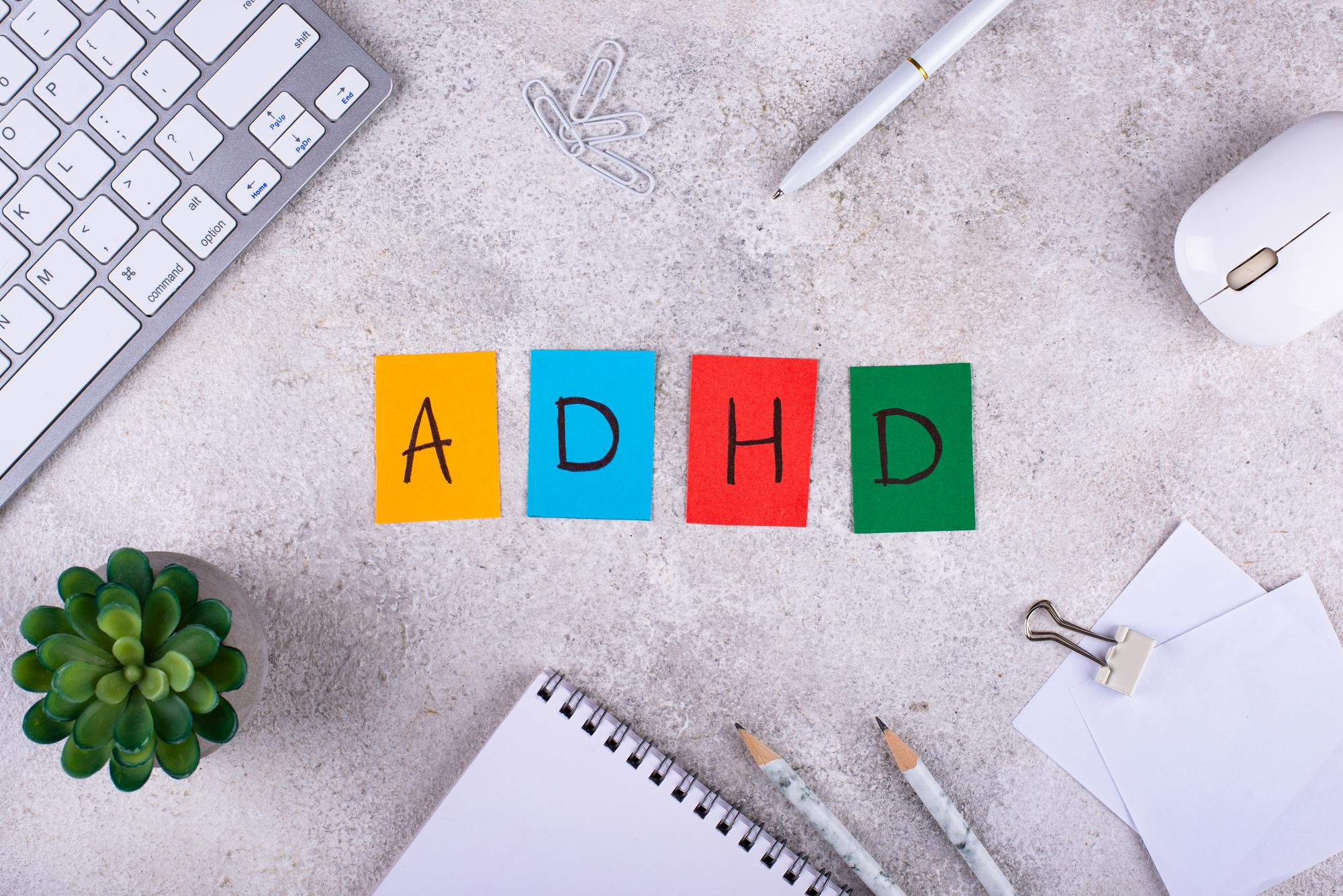
Attention-deficit/hyperactivity disorder (ADHD) is often perceived as a childhood condition, yet it is a lifelong neurodevelopmental condition that many carry into adulthood (Faraone et al., 2006). ADHD affects approximately 2%-5% of adults globally (Staley et al., 2023). For those diagnosed as adults, the challenges and implications can differ significantly from individuals who receive a childhood…
-
Johanna – Raising Children with a Neurodivergent Background

Neurodivergence is a term used to describe individuals whose brain functions and processes differ from what is considered typical. This includes a range of conditions such as autism, ADHD, dyslexia, and more. Neurodivergence is rooted in the understanding that these differences are natural variations in human cognition, not deficits, and that individuals with neurodivergent traits…
-
Tourette’s Syndrome in Children

Tourette’s syndrome is a neurological disorder that may cause unwanted and uncontrolled rapid and repeated movements or vocal sounds called tics. To be diagnosed with Tourette’s syndrome a child must have several different types of tics. More specifically, multiple motor tics and at least one vocal tic that have been present for at least a…
-
Autism and Relationships

Autism Spectrum Disorder is characterised by social and communication deficits, as well as stereotyped behaviours and restricted interests. Due to these characteristics, many autistic individuals become ostracised and subsequently withdrawn from peers, leading people to believe that persons with ASD prefer to be isolated. However, according to research, children with autism perceived their friendship to…
-
Social Communication in Autism Spectrum Disorder (ASD)
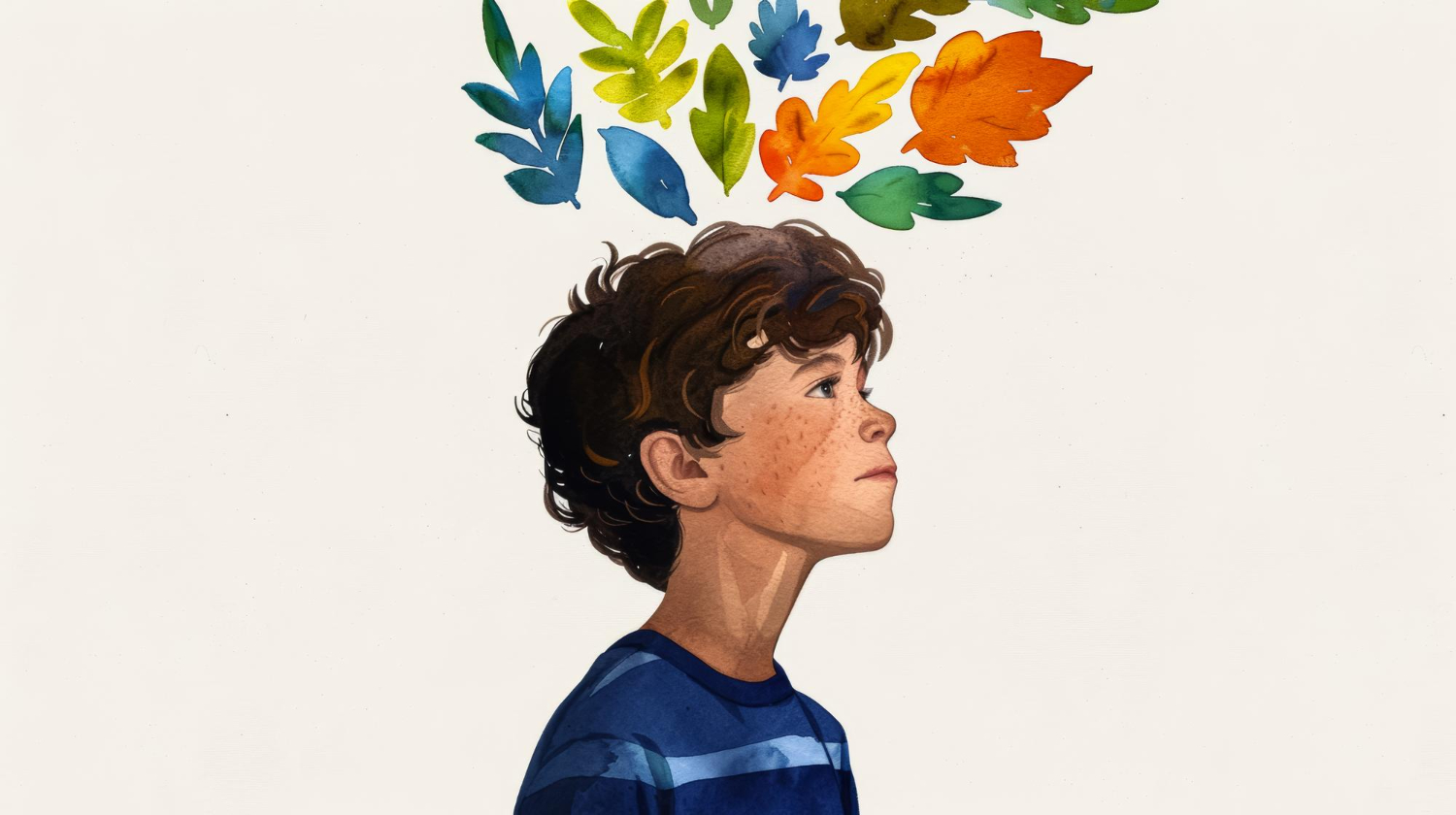
Communication challenges have been considered a prime focus area in ASD (Autism Spectrum Disorder). However, individuals with ASD show a wide range of variability in how they communicate. This can range from differences in the non-verbal communication such as understanding gestures, facial expression, tone of voice and body language to their ability in verbal communication…