
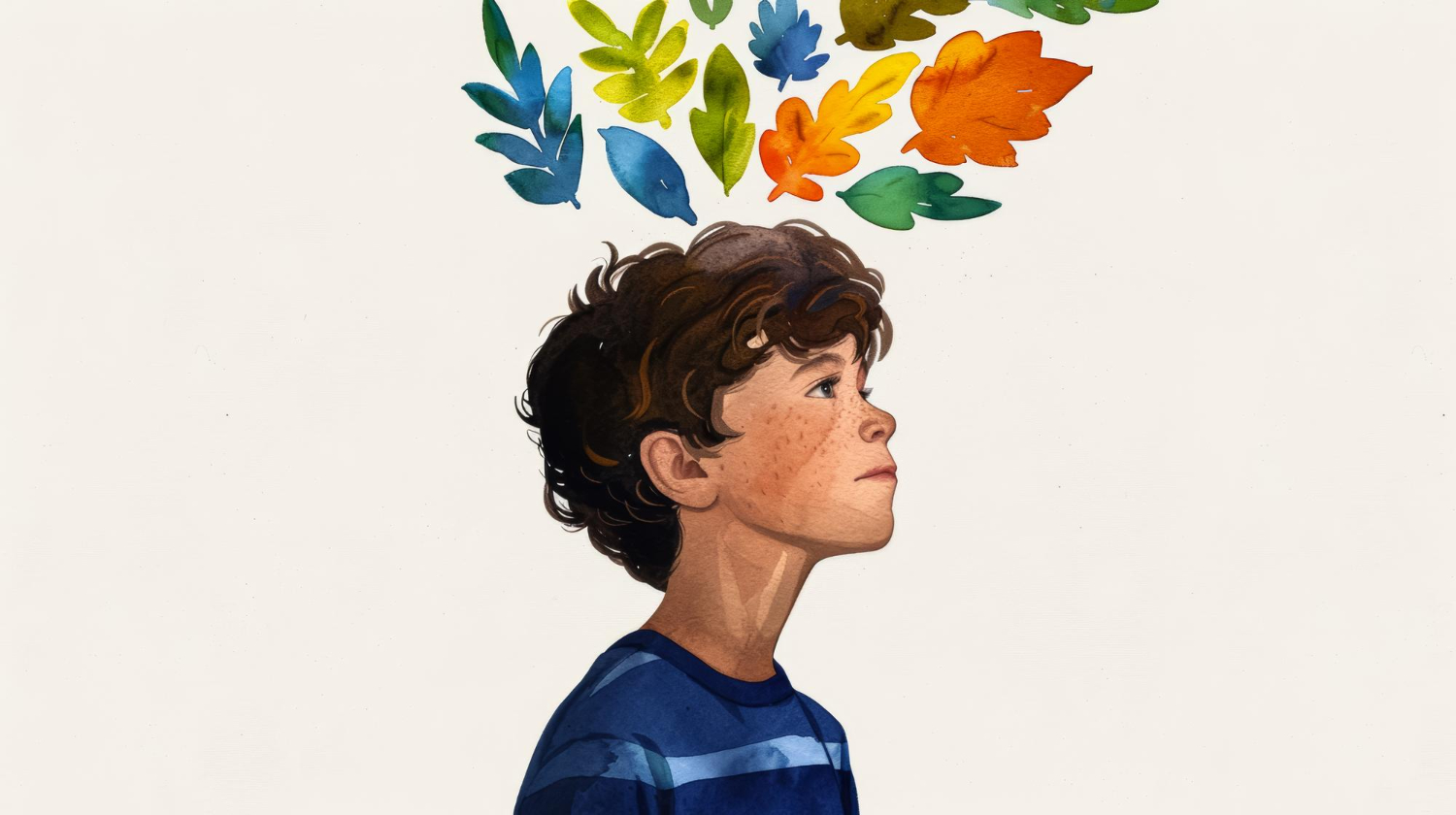
Communication challenges have been considered a prime focus area in ASD (Autism Spectrum Disorder). However, individuals with ASD show a wide range of variability in how they communicate. This can range from differences in the non-verbal communication such as understanding gestures, facial expression, tone of voice and body language to their ability in verbal communication such as understanding and using language in a meaningful way. These communication challenges often cause difficulties in their social interaction and impact their ability to initiate and maintain friendships.
How does ASD affect communication?
Although the heart of communication is the ability to exchange meaningful messages it is vital to look at the characteristics of language itself and how individuals with ASD are affected. Some individuals may have an excellent verbal repertoire whilst others may have restricted vocabulary. Many children with ASD have challenges developing language and comprehending what others are trying to say to them. They also have challenges communicating nonverbally such as through facial expressions, eye contact and hand gestures.
Some examples of communication difficulties individuals with ASD face, include:
- Language may appear sophisticated and advanced e.g. individuals may have a good command of the English language. However, the meaning of the words may be restricted and sometimes language may appear to be repetition of bits of dialogue from a favourite TV programme, in the case of echolalia.
- Difficulty with understanding and using figurative speech such as metaphors, irony, and idioms.
- Challenges with recognizing that certain words may have alternative meanings based on the context they are used.
- Respond to directions/information in a literal manner.
- Find understanding humor in everyday interactions or even TV shows difficult.
- Find understanding sarcasm, challenging.
- Appears to have difficulty in understanding the main objective of the conversation, drawing conclusions, and making social inferences from discussions, texts, and movies.
- Appear to have challenges connecting idea to idea when conversing or texting.
- Difficulties in understanding the WH questions (what, who, when, where and how?)
What is social communication exactly & what are the challenges individuals with ASD face?
Social communication is a social act between 2 or more people and involves more than just comprehending the words of others. Social communication describes the way we use language in our social interactions. It involves the ability to share what we are thinking and feeling as well as respond to others sharing their thoughts and feelings. It involves navigating the complex social world and understanding unwritten social rules that may change based on context in our daily interactions. This causes challenges for individuals with autism such as:
- They find perspective taking difficult. Not being able to put themselves in other people’s shoes. They generally see the world from their point of view that impacts their social interaction with others.
- Poor eye contact during communication. Eye contact can be distracting for individuals with ASD or provide more sensory information that the person can process.
- Difficulties with understanding that everyone has unique thoughts, opinions, motivation, and ideas.
- Not accounting for the communication needs of the listener i.e. talking to fast or too loud.
- Delivering monologue type conversations or lectures talking about an obsessive interest such as airplanes without considering whether the listener is interested or not.
- Persevering on a topic and asking redundant repetitive questions.
- Find it difficult to stay on topic and may be distracted by their own thoughts. May jump from topic to topic making it hard for the listener to follow.
- Talk aloud in social situations, unaware that others may be watching or forming judgement.
- Challenges in attending to a conversation especially if over stimulated, anxious or frustrated.
- Making statements that are socially inappropriate, not understanding the social implications of these statements.
- Not knowing how to initiate, maintain or end a conversation in a socially appropriate way. May appear to leave the conversation abruptly and unexpectedly.
- Difficulty recognizing deception.
- Find it challenging to recognize subtle emotions or how to react to the other person’s emotions e.g. a person in distress delivering sad news.
- Difficulty in understanding the motivation of others or making predictions about the consequences of a situation.
These social communication challenges make it difficult for individuals with ASD to navigate the complexities of our social world and develop meaningful relationships with others.

Supporting the development of social communication skills in individuals with ASD
Individuals with ASD may have the motivation to connect with others but often fail appropriately to do so creating social barriers and leading to rejection by peers (Church et al. 2000), social isolation (Orsmond et al. 2013) and anxiety (Johnco et al. 2015).
Teaching individuals with ASD how to communicate is essential to maximise their full potential. Although there are various approaches, the best treatment plan begins early and is individualised according to the child’s age and interests. Many children with ASD respond well to structured programs involving their parents and caregivers that can generalise language to everyday life. For the younger individuals with ASD, early intervention is key and skills such as eye contact, babbling, imitation and shaping vocalizations progressively into words and sentences can help them communicate. Turn taking games using board games can help the child understand what “waiting for a turn” is during conversations. Describing tasks such as asking open-ended questions when reading a book also encourages communication. Talking about emotions and feelings about a relevant social situation also helps to enhance communication. For beginner speakers using items the child desires for and modelling the correct labels whilst subsequently reinforcing speech approximations can be helpful.
For older children, teenagers and even young adults skills such as initiating and maintaining a conversation, staying on topic, turn taking and reading social cues are helpful goals to improve social communication. Modelling social communication skills such as how to start and end a conversation, personal boundaries e.g. how far away to stand from someone when talking and reading body language & facial expressions can be helpful for this age group. Role plays are also an effective way to help individuals with ASD to practise how they can respond across various social situations relevant to them. Playing fun games with children and teens such as being a “social detective” can draw attention to relevant areas the individual should focus on such as facial expressions, tone of voice and body language to help them become more empathetic and effective listeners which are important to formulating appropriate responses during a conversation.
Social communication can be a complex process involving both verbal and non-verbal communication skills and understanding the unwritten rules of our social world. The reality is that social communication is challenging for individuals with ASD. There are, however, good strategies and evidence based interventions to teach social communication skills that can be effective. Collaborative efforts between therapists, teachers, parents and caregivers can help enhance this effectiveness by increasing the chances of successful generalisation of these skills and increasing confidence in their communication for individuals with ASD.
To meet with a professional psychologist or counsellor, call The Other Clinic at 8809 0659 or email us hello@theotherclinic.sg.
References
- Social communication in autism, explained
- Social Communication and Language Characteristics Associated with High Functioning, Verbal Children and Adults with ASD
- Autism Spectrum Disorder: Communication Problems in Children
- Social Communication and Children on the Autism Spectrum
- Church, C., Alisanski, S., and Amanullah, S. (2000). ‘The social, behavioural, and academic experiences of children with Asperger syndrome’, Focus on Autism and Other Developmental Disabilities, 15(1), pp. 12-20.
- Johnco, C., and Storch, E. A. (2015). ‘Anxiety in youth with autism spectrum disorders: implications for treatment’, Expert Review of Neurotherapeutics, 15 (11), pp. 1343-1352.
- Orsmond, G.I., Shattuck, P.T., Cooper, B.P., Sterzing, P.R., and Anderson, K.A. (2013). ‘Social participation among young adults with an autism spectrum disorder’, Journal of Autism and Developmental Disorders, 43(11), pp. 2710–9.