
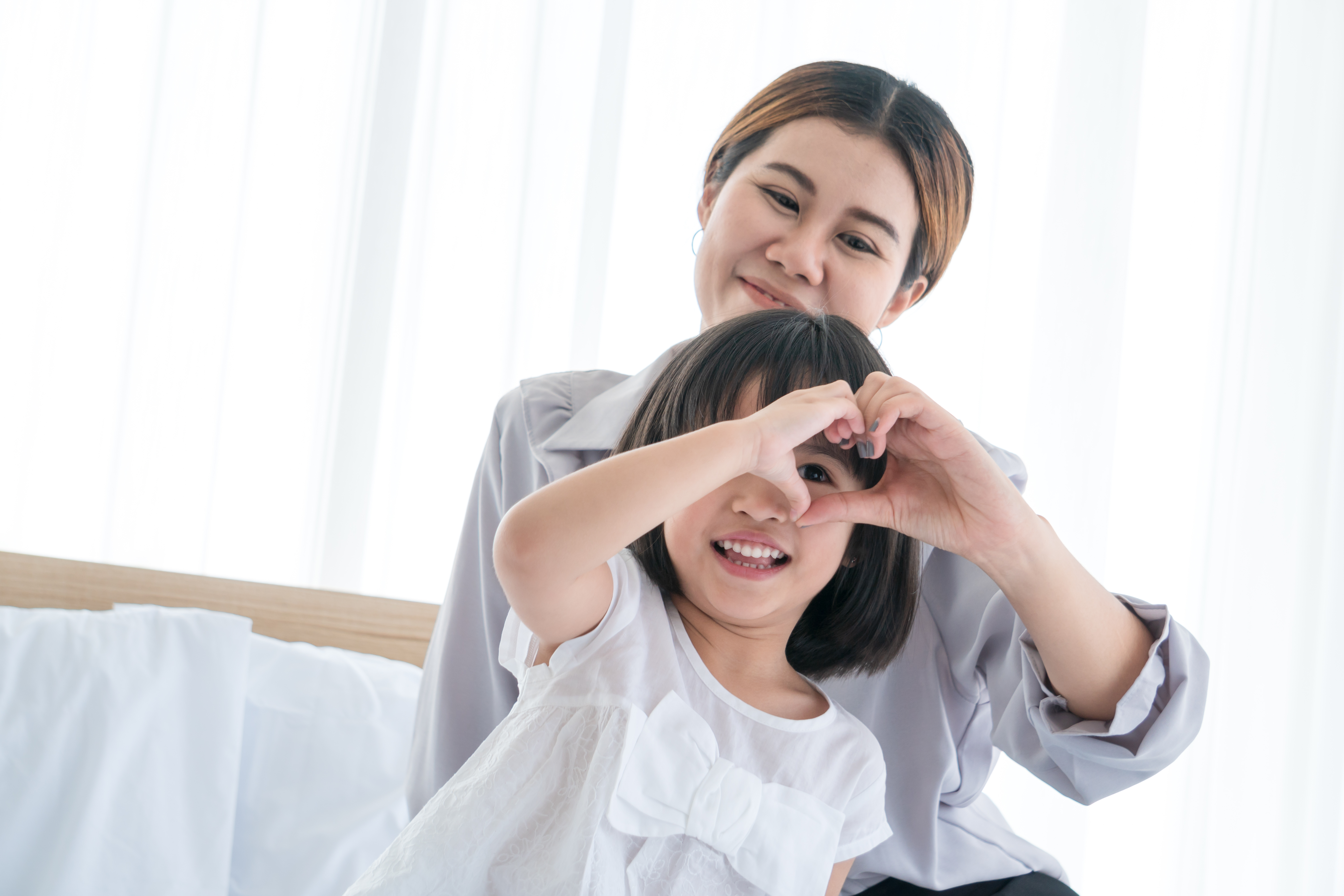
“You are not even my real mom” – While I am not sure if this line is commonly heard in Western TV dramas, it is a recurring sentiment in many Chinese drama series, especially when a character is adopted or a stepchild. Even though it is just a fictional portrayal, it can be very hurtful to hear. Sadly, this kind of language reflects real-life situations too. It is not only the adopted child or stepchild who may feel the sting of such words, but also the family members who continue to reinforce the idea that the child is not part of the “real” family. This can have a lasting emotional impact on both the child and their relationships within the family. In fact, it can even influence people’s decisions about whether or not they should adopt a child, as they may fear these very dynamics affecting their own family.
As highlighted earlier, in many cultures, the idea of being “adopted” or a “stepchild” is often portrayed negatively. This can reinforce the idea that an adopted child is somehow less legitimate or less loved than biological children. Unfortunately, this mentality can extend beyond the screen and affect real-life relationships. Family members, even if unintentionally, might treat an adopted child differently, reminding them that they are not part of the “real” family. This creates an emotional burden that is difficult to bear, not only for the child but also for the adoptive parents.
For many parents, the fear of their child suffering from this type of discrimination is a significant concern. They worry that their child might feel out of place, or that they may never fully be accepted as part of the family. This can cause hesitation and self-doubt, especially when parents hear comments questioning whether an adopted child can ever form the same deep bond as one’s biological child.
Is Adopting Going to Make Life Harder?
Parenting, in any form, can be difficult. The idea that adopted children are inherently “problematic” or that they will cause families to live in “nightmare” is a harmful stereotype often based on misunderstandings or exaggerated portrayals in the media. While it is true that adoption can come with its own set of challenges, it is crucial to approach this topic with a deeper understanding.
Adopted children, like all children, can have unique needs and experiences, especially if they have faced early life trauma or instability. These early experiences can sometimes result in behavioural or emotional challenges, but this is not the case for all adopted children. Many adopted children adjust well to their new families and form strong, loving bonds. The difficulties some adoptive families experience are often related to these specific early life experiences, not because the child was adopted. In fact, these struggles can happen with biological children as well, as every child, whether adopted or biological, has their own personal history and challenges. We should not place blame on whether a child is adopted or biological.

Will Extra Care or Extra Attention Spoil the Child?
The concern about “spoiling” an adopted child often stems from the misconception that giving a child too much love, attention, or support will make them entitled or overly dependent. Providing extra care to an adopted child is not the same as spoiling them. Spoiling typically refers to giving a child too much material indulgence without setting boundaries, leading to entitlement. In the case of adoption, giving extra emotional care is about creating a safe space for a child to heal, form attachments, and feel secure in their new environment.
Giving them that support does not spoil them, it helps them build a healthy attachment, develop a sense of security, and thrive in their new home. Just like any child, adopted children benefit from love, which helps them grow into happy and well-adjusted individuals. In fact, many adoptive parents find that offering love and attention in a healthy, balanced way helps their child develop trust and a positive sense of self-worth. It builds resilience rather than weakness.
Are You Ready for Adoption?
Adoptive parents have the privilege of offering stability, support, and guidance to a child who may have faced difficult circumstances. That is a precious gift, not just for the child, but for the parents as well. Adoption should never be taken for granted. If more people saw adoption as a gift rather than a challenge, the stigma surrounding it would diminish, and more children could be given the loving homes they deserve.
Adoption is a deeply personal decision, and it is natural for parents to feel uncertain about the challenges ahead. But how?
Hearing stories from those who have walked through the path before can help normalise the experience. Many hesitations come from not fully understanding the process, the challenges, and the rewards of adoption. If you are planning on adopting a child, connect with professionals or support groups who can offer advice, answer questions, and share the experiences of other adoptive families.
Feeling unsure or nervous about adoption does not necessarily mean you are not capable or ready; it simply means you are taking the decision seriously. Every family, biological or adoptive, faces challenges. There is no perfect family, and all children, regardless of whether they are adopted or not, come with their own needs and difficulties.
Sometimes, parents hesitate because they are not fully sure of their motivations or what adoption means to them personally. Ask yourself.
…… Why do we want to grow our family through adoption?
…… Do we feel equipped to handle any differences between us and our adopted child?
…… What do we hope to offer the child, and are we ready to offer to the child?
…… What fears or concerns do we have about adopting?
…… Are we worried about potential behavioural issues or difficulty bonding?
…… What about concerns from extended family or social circles? How do we feel about the reactions of others to our decision to adopt?
The idea that both parents and children grow together can help parents feel positive, rather than overwhelmed.

Helping an Adopted Child Adjust to Their New Family
Adopting a child is one of the most rewarding experiences for a family. However, the process of adjustment can be complex, both for the child and the adoptive parents. Let the child know that it is okay to ask questions about their adoption, their past, or how they are feeling about their new life. Children may have complex emotions related to their adoption, such as confusion, sadness, or even anger. They are fine.
Being Honest – Why Honesty Matters?
Being honest with them about their adoption story from an early age is also important. Telling a child they are adopted helps establish trust and ensures that they feel secure in their family identity. When parents are open from the beginning, they remove any “what if they find out” worries, creating a more transparent, stable relationship. As the child grows older, it is important to support their understanding of their identity, especially if they come from a different cultural, ethnic, or racial background.
Many adoptive parents may feel hesitant to bring up adoption, often because they want to protect their child from any difficult emotions or because they fear the child may feel different. However, delaying or avoiding this conversation can lead to deeper challenges down the line. If an adopted child discovers the truth on their own or later in life, they may feel a sense of betrayal, even if the secrecy was meant to protect them.
When a child unexpectedly learns that they were adopted, they may feel as though a part of their identity has been hidden from them, which can lead to feelings of anger, sadness, or confusion. They might wonder why their parents chose to keep such a fundamental part of their story hidden, and this doubt can impact their trust in their family. The child may also question other things in their life, creating a fear that there might be other secrets they are unaware of, which can damage their sense of security and stability within the family. Remember this, the situation can feel very different if the child discovers the truth independently and parents reveal the adoption themselves.
If you are willing…….
You shall be open to the possibility of maintaining a relationship with the child’s birth family, if appropriate. For some children, knowing about their birth family and having the option of keeping in touch can provide important answers to questions about their origins. Parents should be sensitive to the child’s feelings about their birth family and work together with the child to determine what kind of relationship, if any, feels appropriate and healthy.

Bonding Slowly with an Adopted Child – No Pressure, Just Love
The first step in bonding with an adopted child is to ensure they feel safe and secure. A child coming into a new family may have experienced lots of uncertainty in their past. Because of this, it is important to create an environment where they can feel comfortable and free from pressure. Give the child room to adapt at their own pace. Some children may take longer to adjust to a new family dynamic, while others may form strong attachments quickly. Again, that is fine.
Bonding does not need to begin with grand gestures or intense, structured activities. In fact, it is often the simple, everyday moments that make the most difference. Start with small and relaxed activities. These activities can be integrated into daily life, offering opportunities for connection without making the child feel like they are being “tested” or required to bond in a specific way.
- Creating unhurried activities together
- Reading a book, doing puzzles, or drawing can be wonderful bonding experiences because they allow the child to feel comfortable without the pressure to interact on an emotional level.
- Spending time in the background
- Sometimes, simply being in the same room or doing tasks together without direct interaction can help the child feel comfortable. For example, parents can work alongside the child, such as cooking together, organising, or gardening.
- Incorporating the child’s interests
- Allowing the child to take the lead in choosing activities can help them feel a sense of autonomy. If the child enjoys a particular hobby, like drawing, playing with toys, or even watching a favourite show, parents can participate in these activities together.
There will be moments when the child is more withdrawn or distant. These moments are a normal part of the adjustment period. Rather than seeing these moments as setbacks, parents can also be open about their own emotions, offering the child reassurance that it is okay to take things slow. Over time, the child will begin to feel more secure and open to forming a stronger bond, but only if they are given the space to do so. At least, they are chosen to be, but not forced to be.
If you are thinking about adopting a child, don’t stress! Bonding will happen in its own time. If it is meant to be, it will be. And family is about so much more than biology. With patience, empathy, and unconditional love, you will naturally build a bond that lasts. The love you share will speak louder than any of the pressures or worries. If it is meant to be, you will find your family in each other.
To meet with a professional psychologist or counsellor, call The Other Clinic at 8809 0659 or email us hello@theotherclinic.sg.
- A child psychologist shares the 5 signs you’ve raised a ‘highly spoiled’ kid—and how parents can ‘undo’ it
- Adopted children can experience lasting mental health problems
- Adoptive Identity and Children’s Understanding of Adoption: Implications for Pediatric Practice
- All I wanted was to be a mom, but adopting a 3-year-old was harder than I expected
- Do adopted children inevitably struggle?
- Do Adopted Kids Have More Problems?
- Do the Temperamental Characteristics of Both Mother and Child Influence the Well-Being of Adopted and Non-Adopted Children?
- ‘I had to give my adopted child up, he was out of control’
- ‘I was told I could visit. Then she went missing’: the Bangladeshi mothers who say their children were adopted without consent
- Psychological Issues Faced By Adopted Children And Adults
- What Are the Mental Health Effects of Being Adopted?.
- Will My Adopted Child Have All Sorts of Emotional Problems?
- Understanding the Common Challenges of Adopted Children