
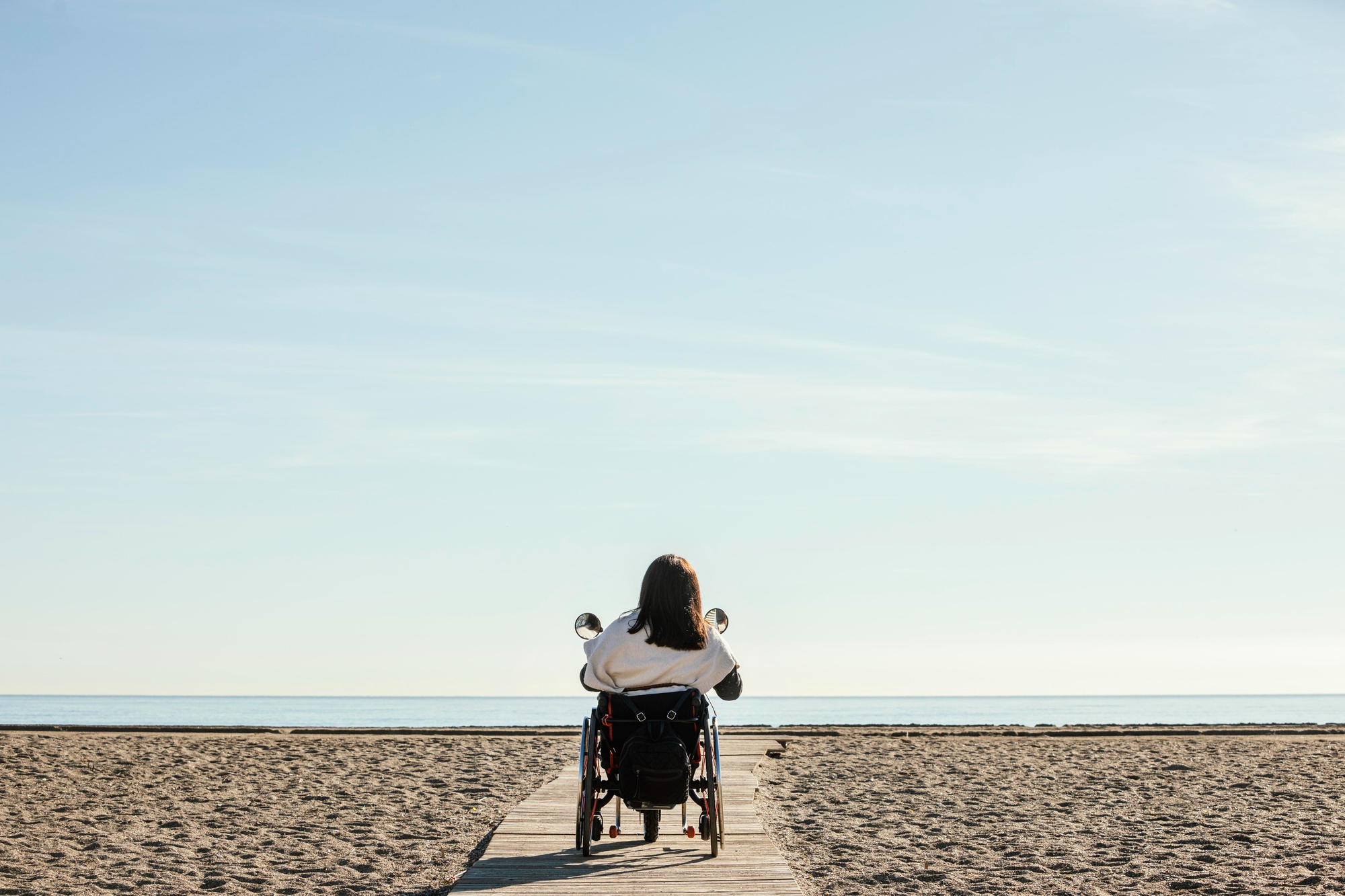
Adaptive living empowers individuals with mobility impairments to live independently and participate fully in daily activities. Through a combination of assistive devices, home modifications, and tailored support, individuals can overcome barriers and improve their quality of life.
Here’s how adaptive living can enhance daily life for those with mobility impairments:
Key Components of Adaptive Living:
1. Assistive Devices:
- Mobility Aids: Wheelchairs, scooters, walkers, and canes provide the support needed to move freely within the home and community.
- Self-Care Tools: Long handled reachers, adaptive utensils, and dressing aids allow individuals to perform personal care tasks with greater independence.
- Smart Technology: Voice-activated assistants, remote-controlled appliances, and smart lighting systems give individuals control over their environment with minimal physical effort.
2. Home Modifications:
- Accessibility: Installing ramps, stairlifts, and widening doorways makes it easier to navigate the home, especially for wheelchair users.
- Safety Features: Adding grab bars, non-slip flooring, and better lighting in high-risk areas (e.g., bathrooms and stairs) reduces the risk of falls.
- Functional Spaces: Modifying kitchens and bathrooms with lower countertops, roll-in showers, and accessible shelving promotes safe and efficient daily routines.
3. Training and Support:
- Assistive Device Training: Occupational Therapists (OTs) train individuals on how to use mobility aids and adaptive tools effectively, enhancing confidence and safety.
- Caregiver Education: OTs also educate family members and caregivers on safe transfer techniques and how to assist with adaptive devices, ensuring better support for the individual.
4. Community Participation:
- Transportation: Adaptive vehicles and accessible public transport options increase mobility, allowing individuals to engage in work, social activities, and leisure.
- Public Space Accessibility: OTs advocate for accessible workspaces, public venues, and recreational areas, helping individuals participate in their communities.
The Benefits of Adaptive Living:
Adaptive living solutions focus on removing barriers, improving safety, and promoting independence. By addressing mobility challenges with personalised solutions, individuals can regain control over their daily lives, reduce reliance on others, and enhance their well-being.
To meet with a professional psychologist or counsellor, call The Other Clinic at 8809 0659 or email us hello@theotherclinic.sg.