
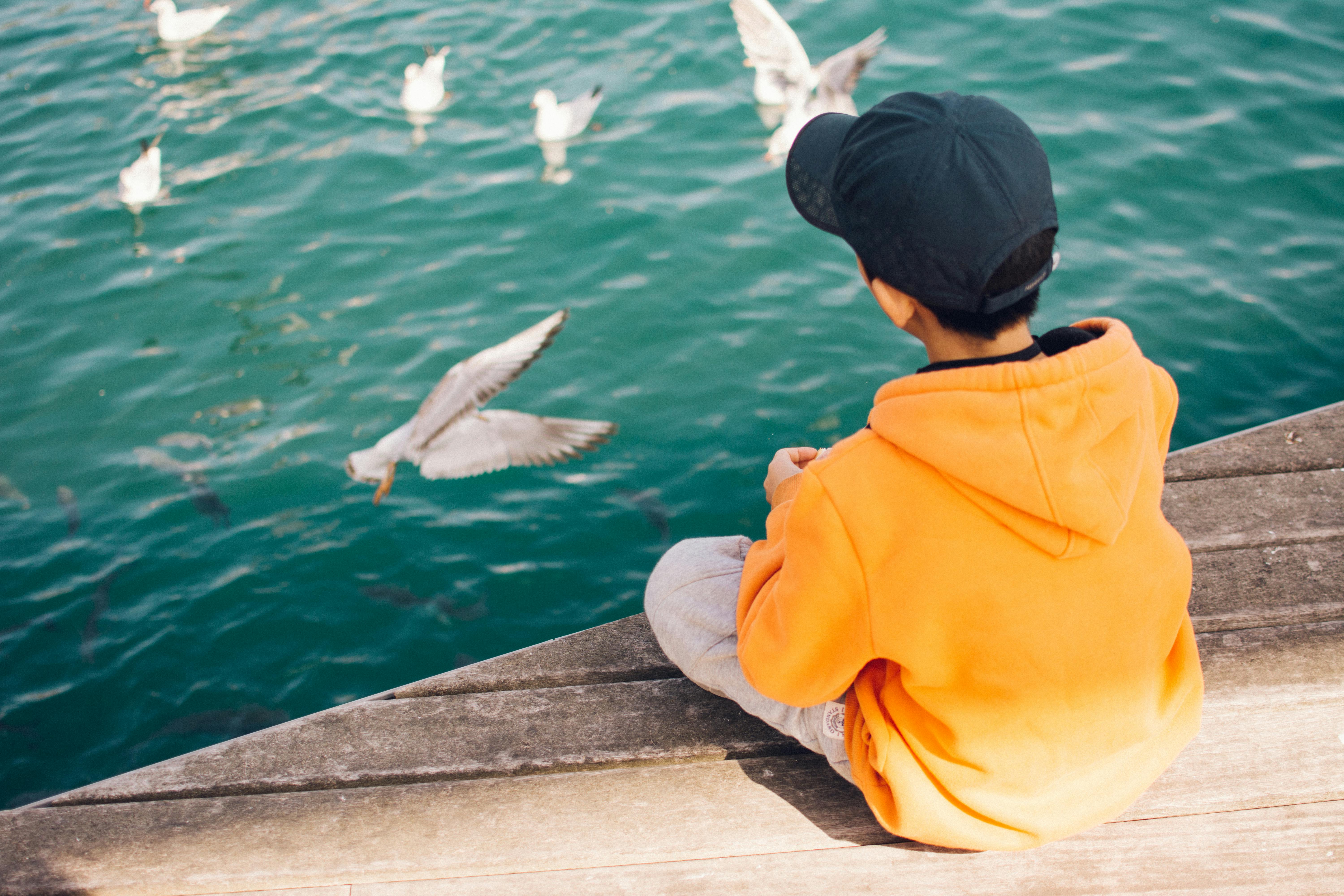
Kindness is a fundamental value that contributes to society, and instilling it in children from a young age is essential for their emotional and social development. Acts of kindness not only benefit others but can also nurture a child’s own mental and emotional well-being. Promoting kindness in children can help them grow into compassionate individuals, contributing positively to everyone around them.
Why is Kindness Important for Children?
Kindness fosters empathy, helping children understand the feelings and perspectives of others. It allows children to build strong relationships, increases their sense of belonging, and enhances their emotional resilience. Research has shown that children who engage in kind behaviour’s are more likely to develop into emotionally intelligent and socially responsible adults. They are better equipped to handle the challenges of life with resilience, compassion, and a positive outlook. Kindness also contributes to a more peaceful and connected society. When children learn to treat others with respect and empathy, they carry those values into adulthood, promoting a culture of inclusion and understanding.
The Benefits of Teaching Kindness
Improved Emotional Well-Being: When children practice kindness, their brains release feel-good hormones like oxytocin and serotonin. These chemicals promote happiness and also reduce stress and anxiety. Performing kind acts can lead to a greater sense of satisfaction and contentment in both the giver and the receiver.
Enhanced Social Skills: Children who demonstrate kindness are better equipped to form healthy relationships with their peers. Acts of kindness encourage cooperation, sharing, and teamwork, which are crucial for social interaction.
Development of Empathy: By teaching children to be kind, we encourage them to consider the feelings and experiences of others. This helps them develop empathy, which is essential for resolving conflicts, understanding others, and in difficult situations.
Increased Self-Esteem and Belonging: Performing kind acts can boost a child’s self-esteem and sense of belonging, making them feel capable and valued. When children understand that their actions positively impact others, it reinforces their sense of worth and purpose.

How to Encourage Kindness in Children
Model Kindness: Children learn by observing the adults around them. When parents, teachers, and caregivers model kind behaviour – whether it’s helping, sharing or speaking kindly, it can show children how to offer kindness to others
Praise Acts of Kindness: When children display kind behaviour, it’s important to recognise and praise their efforts. Positive reinforcement helps them understand that their kind actions are valued, making it more likely they will continue to behave kindly in the future.
Teach Empathy: Encourage children to think about how others feel in different situations. Ask them questions like, “How would you feel if that happened to you?” or “What can we do to make that person feel better?” These questions help children develop empathy by putting themselves in someone else’s shoes.
Create Opportunities for Kindness: Provide children with opportunities to practice kindness in their daily lives. This could be as simple as encouraging them to share toys with a friend, help someone who is feeling sad, or include a new child in their playgroup.
Incorporate Books and Stories About Kindness: Reading books or sharing stories that focus on kindness can reinforce the value of compassion. Stories allow children to see how characters treat each other with kindness, helping them understand its impact.
Encourage Gratitude: Teaching children to be grateful helps them appreciate the kindness of others. Encourage them to say “thank you” and express appreciation for the good things in their lives. Practising gratitude can make children more likely to be kind in return.
Conclusion
Fostering kindness in children is one of the most valuable lessons we can teach them. Kindness not only benefits those on the receiving end, but it also enriches the lives of children who practice it. Through modelling kind behaviour, creating opportunities for empathy, and encouraging compassionate actions, we can help children grow into kind, caring, and responsible individuals. Ultimately, teaching kindness lays the foundation for a better future, filled with empathy, understanding, and compassion.
To meet with a professional psychologist or counsellor, call The Other Clinic at 8809 0659 or email us hello@theotherclinic.sg.
References
Datu, J.A.D., Mateo, N.J. & Natale, S. (2023) The Mental Health Benefits of Kindness-Oriented Schools: School Kindness is Associated with Increased Belongingness and Well-Being in Filipino High School Students. Child Psychiatry Hum Dev 54, 1075–1084 https://doi.org/10.1007/s10578-021-01299-z
Gaertner, Amy & Binfet, John-Tyler. (2015). Children’s Conceptualizations of Kindness at School. 40.
Gorny-Wegrzyn, E. and Perry, B. (2021) Inspiring Educators and a Pedagogy of Kindness: A Reflective Essay. Creative Education, 12, 220-230. doi: 10.4236/ce.2021.121017.
Roffey, S. (2011). Enhancing social-emotional well-being in young children through positive psychology. Educational & Child Psychology, 28(2), 14-24.
Verba, B., & Vu, P. (2024). Kindness in the Classroom: Evaluating the impact of direct kindness instruction on school and emotional outcomes in Second-Grade students. The Canadian Journal of Action Research, 24(3), 54–70. https://doi.org/10.33524/cjar.v24i3.697