
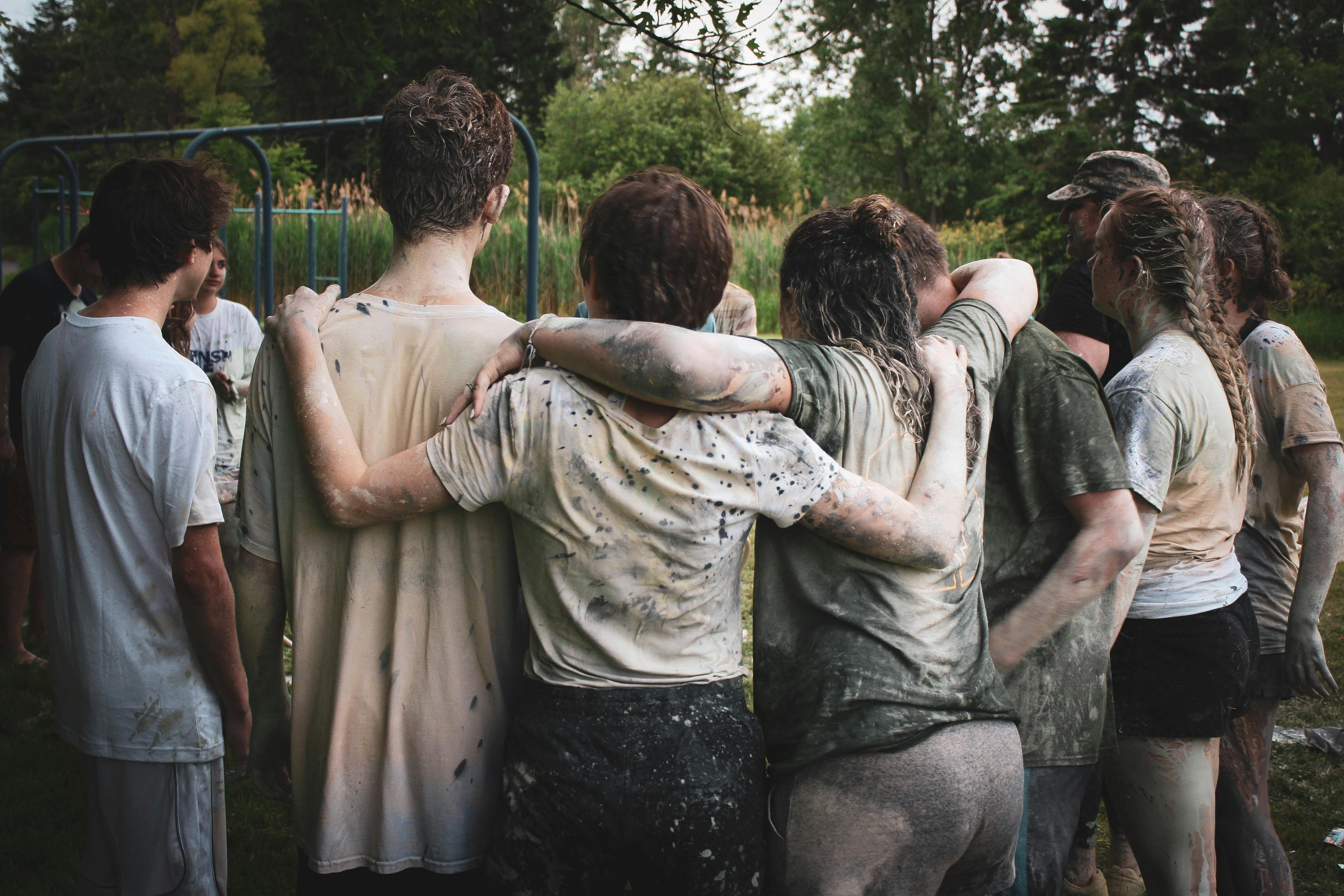
Self-esteem is defined as one’s subjective evaluation of their own worth and value as a person (MacDonald & Leary, 2012). This can be particularly challenging to navigate during adolescence, when a young person is trying to figure out and form their own identity. It’s important to foster healthy self-esteem as it is linked to better outcomes in school and work, good social relationships, and generally better mental and physical wellbeing (Orth & Robins, 2022). An individual’s self-esteem can be influenced by multiple factors, including their upbringing, environment, peer relationships, and social media.
With so many potential influences, both positive and negative, it’s crucial we consider how to direct young people to a path of healthy self-esteem in their different environments. Here are a few suggestions:
Socio-Emotional Wellbeing
• Celebrate your teenager’s successes and recognize what they do right. It can be useful to adopt a Growth Mindset which builds beliefs that abilities and traits can be cultivated (Dweck & Yeager, 2019). This helps teenagers feel that their abilities are not fixed and when they encounter mistakes and failures that they are able to overcome them. It is important to focus more on effort than the outcome.
• Allow teenagers to share both positive and negative emotions. Encourage healthy expression of emotions and processing of associated thoughts. This teaches them that negative emotions and thoughts are normal and part of the human experience.
Role-Modelling
• Model healthy behaviour at home such as showcasing how you handle difficult situations in an adaptive manner. This provides young people with a reference point on how to navigate challenges and use their own coping strategies.
Social Media
• Avoid preventing social media use and criticizing the type of media a young person is viewing as this will likely make them more resistant to your views. It is better to talk and discuss with the teenager on their thoughts and to share your thoughts too. This promotes healthy discussion of various topics and learning which helps build their critical thinking. This may ultimately help reduce the influence of social media on their self-esteem.
Positive Relationships
• Young people should be encouraged to interact with peers from various backgrounds and with different interests to help find individuals they can connect with. The school environment can support this by providing opportunities for non-academic group activities where they can meet new people.
• Encourage young people to surround themselves with people who they enjoy being with and feel safe with. If they are having difficulties with friends, help them navigate these situations by going through the positives and negatives of staying in the friendship to help them come to a conclusion rather than providing them with solutions.
Boosting Confidence
• Let them engage in activities and interests that they enjoy. This helps boost their confidence and they are more likely to see successes when completing activities they enjoy participating in.
Promoting Inclusivity
• Celebrate their differences and others’ differences as well. Teach young people that there is beauty in diversity. Let them express themselves and explore their identity in various ways.
To meet with a professional psychologist or counsellor, call The Other Clinic at 8809 0659 or email us hello@theotherclinic.sg.
References:
Dweck, C. S., & Yeager, D. S. (2019). Mindsets: A view from two eras. Perspective on Psychological Science, 14(3), 481 – 496. https://doi.org/10.1177/17456916188041
MacDonald, G., & Leary, M. R. (2012). Individual differences in self-esteem. In M. R. Leary & J.P. Tangey (Eds.), Handbook of self and identity (pp. 354 – 377). New York, NY: Guilford.
Orth, U., & Robins, R. W. (2022). Is high self-esteem beneficial? Revisting a classic question. American Psychologist, 77(1), 5 – 17. https://doi.org/10.1037/amp0000922