
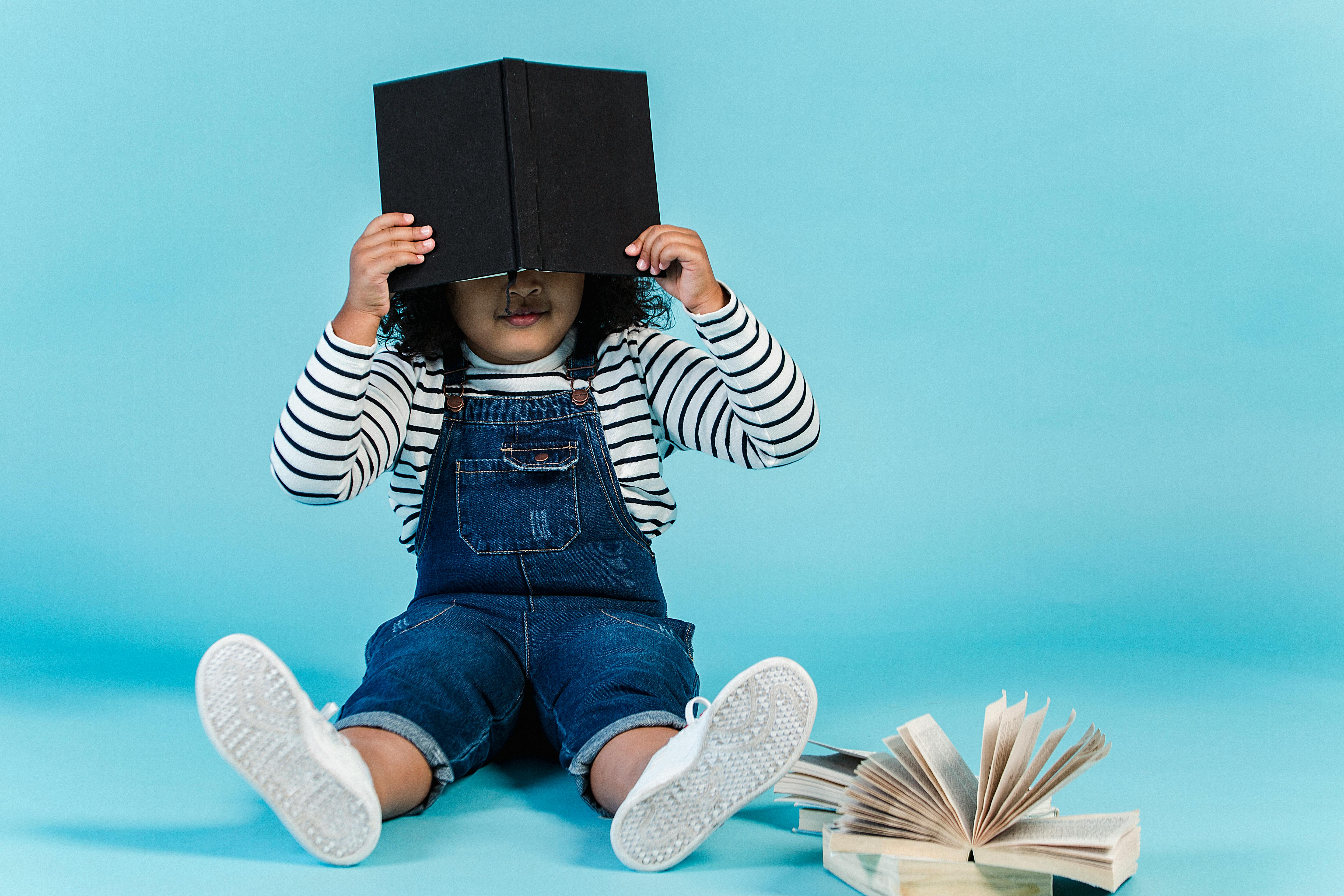
When I was young, I often heard adults around me say things like, “Oh, she is just shy”. They would dismiss my quietness, telling others that I wasn’t rude, just a little reserved. Sometimes, though, it was harsher: “You can’t have no manners” or “Where are your manners?” as though my quietness was somehow a choice I made to disrespect them. I sat there, feeling my cheeks flush, wishing I could somehow explain that it wasn’t about being rude. I just didn’t know how to speak up, how to feel comfortable enough to join in.
As I grew older, things changed. People no longer called me “just shy”. That label slipped away, replaced by something harsher: “unfriendly”. Now, instead of excusing my quietness, they judged it. People would glance at me and whisper, “She is so cold?”. In fact, there’s a Chinese saying, 生人勿近(shēngrénwùjìn) – “strangers, do not come near.” I have often heard that used to describe me, as if my presence somehow radiates a signal that warns people to stay away. What they don’t realise is that behind my silence, I am actually listening. Sometimes, it might look like I am not engaged in what people are discussing, but I am there, absorbing and observing, even if I don’t respond out loud.
As a child, hearing people call me “no manners” was especially hurtful because, of course, that is what my parents thought too. Some parents may feel like they need to “fix” their children, believing that their quietness or lack of social interaction reflects poorly on their upbringing, “Is that how I raised you to behave?”. They worry that they are not raising their kids “properly”, and they feel the pressure to “educate them” on how to be more social, more outgoing, or more like what society expects. But as a child, this felt painful, like I was being misunderstood for who I was. I was not trying to be rude. I can understand myself now. I don’t think they knew it was called being an introvert, and that there is nothing wrong with us. It wasn’t something they could “fix”.
I have never been the kind of person who thrives in constant conversation. I feel at peace in quiet moments, in simply being present without always participating. My introversion is not a flaw, nor does it mean I am rude, shy, or unfriendly. It is just a part of who I am.
So yes, I am an introvert, and there is nothing wrong with that. It is not a wall I put up to push people away, but a way I find balance and comfort within myself.

Shyness and Selective Mutism
Some adults might even start to suggest, “Is that selective mutism?” as though the child’s quietness requires a diagnosis. It is a common misconception that selective mutism is simply an extreme form of shyness, but that is not true. Selective mutism is a complex condition rooted in fear or anxiety, where a child may feel physically unable to speak in certain settings, even though they might be perfectly chatty in others. It is not the same as being reserved or introverted, and it is certainly not something that should be casually assumed or labeled without understanding the child’s experience.
Jumping to conclusions and labeling a child’s quietness as selective mutism can create unnecessary stress for both the child and the parents. It might lead to unneeded interventions or make the child feel even more self-conscious, as though their quietness is a problem that needs fixing. Instead of making a big deal about a child being reserved or quiet, it is more helpful to observe and support them in building confidence at their own pace. Often, what children need is not a diagnosis but a little patience, encouragement, and understanding.
What Can Parents Do Then?
As parents, you should encourage your child to see introversion as an asset rather than something to be fixed.
The first step in supporting your introverted child is to recognize that introversion is not a flaw, but a natural personality trait. Introversion often gets misunderstood in a society that values extroversion, but as parents, you should embrace it as an essential part of who your child is. Instead of attempting to change their quiet nature or push them to be more outgoing, it is important to acknowledge their unique way of engaging with the world. Reassure your child that it is perfectly okay to be quiet, and that being introspective is not only acceptable, but can also be a strength. This helps your child grow into their true self without the fear of being “wrong” or “broken”.
By accepting their introversion, you help them build a strong sense of self-worth that isn’t based on conforming to external pressures, but rather on being true to who they are. Your acceptance will teach your child that they don’t need to change to meet societal expectations of what it means to be “normal”.
As parents, it is your responsibility to shield your child from harmful stereotypes and negative labels.
When others make judgmental or dismissive comments about your child, it is important to step in and protect them from misunderstanding and unnecessary criticism. For example, if someone calls your child “shy” or “antisocial”, calmly but firmly explain that your child is simply more reserved and that their quietness is not a reflection of rudeness, bad manners, or unwillingness to connect. Make it clear that introversion is just a different way of being, and it is not a flaw to be corrected.
Defending your child in these situations helps protect their self-esteem and encourages them to feel proud of their natural personality. More importantly, it also serves as a valuable teaching moment for others. You can help others see the value in being reserved and quiet, and challenge the misconception that it’s a problem that needs fixing.
Standing up for your child also helps them understand that it is okay to defend themselves when they feel misunderstood. It gives them the confidence to stand by who they are, knowing that their parents support and advocate for their unique needs and personality. By doing so, you create an environment where your child feels safe to be themselves and can confidently embrace their introverted nature without fear of judgement from others.
As parents, you can guide your child in recognizing the difference between healthy social interactions that bring them joy and those that leave them feeling drained or overwhelmed.
One of the most important skills you can teach your introverted child is how to set boundaries, especially when it comes to social situations that might overwhelm them. Introverted children often feel pressured to attend social events or activities, even when they know it will drain their energy. As parents, you can teach and help them understand that it is perfectly okay to say no and that protecting their personal space and emotional well-being is not selfish.
Helping your child set these boundaries gives them the tools to prioritise their own needs and well-being, even when others may not understand. They should know that they don’t need to feel guilty for choosing quiet time over social events or for declining invitations that don’t align with their energy levels. You can help them develop a strong sense of self in a world that may not always understand their need for quiet.

As an Adult Now, What Can I Do, What Can We Do?
For years, I absorbed the judgments of others – whether it was being called “shy”, “unfriendly” or “cold” – and I did question myself. I wondered if there was something wrong with me for not being outgoing or for not enjoying the same social dynamics that seemed to come so naturally to others.
However, I have learned that I don’t need to seek validation from others to feel whole. The opinions of people who don’t understand me no longer define my worth. Instead, I’ve started to take ownership of my own feelings and thoughts. I remind myself regularly that my quietness is not a shortcoming. People are entitled to their judgments, but they don’t define me. In fact, I know deep down that people don’t actually care as much as I once thought they did.
When those old voices of judgement crop up in my mind, I push back with a gentle affirmation: I am not broken. My introversion doesn’t make me less valuable; it makes me more attuned to the world around me in a way that others might not experience. I listen more deeply, think more carefully, and connect more meaningfully when I choose to engage. These are my strengths.
I also remind myself that being quiet doesn’t mean I am less social or less capable of forming relationships. It just means that I engage with people differently. Love yourself, be kind to yourself. This mindset has helped me let go of the guilt and shame I once felt for being introverted. I no longer feel the need to force myself to fit into an extroverted world.
When negative comments or judgmental remarks come my way, I now have the choice to ignore them or respond. Not every comment requires a reaction. I have learned that sometimes the best response is silence – just letting the comment roll off me but not drown me.

For introverts looking to slowly engage with more people while still maintaining their sense of personal space, maybe you can try these:
Book Clubs…
This allows introverts to engage with others in a low-pressure setting while still focusing on a shared activity. You can prepare ahead of time by reading, and the conversations are usually focused around the book, not personal interaction.
Creative Classes like Art, Painting, Baking…
In a creative class, it allows introverts to be surrounded by others without the need for constant verbal communication. These types of classes often provide a structured, calming environment where individuals can focus on their craft rather than constantly trying to maintain a conversation.
Group Hikes…
Unlike other group activities that may centre around intense discussions or forced small talk, hiking allows for moments of shared silence where everyone can appreciate the scenery or the sounds of nature, creating a comfortable balance between solitude and connection. This makes it easier for introverts to engage at their own pace and retreat into their thoughts when needed without feeling disconnected or left out.
Pet Meetups…
Pets act as natural social facilitators, great icebreakers. Whether it’s a dog park, a pet-friendly cafe, or a larger animal welfare event, pet meetups create a natural bond between participants. The primary focus is on the animals, which takes the pressure off individuals to engage in constant conversation. Instead, you can converse about your pets’ personalities, funny behaviours, or pet care tips, providing a comfortable, non-judgmental topic that brings people together.
These types of environments can help introverts gradually ease into social situations without feeling overwhelmed. It’s about finding a space where we can be present, connect on our terms, and still enjoy the company of others without the pressure of forced interaction.
To those who may seem quiet, reserved, or “just shy” – you are not unfriendly, rude, or detached. You are thoughtful, observant, and comfortable in your own space. Introversion is not a flaw; it is a strength, a choice to listen more, reflect deeply, and find peace in the quiet moments. Being introverted is my comfort zone, and I have learned to love it.
If you are reading this… I hear you, because maybe I am you. I have been there, and I am still here. There is nothing wrong with us. We know the beauty in being still, the power in being present, and the strength in quiet connection.
The world needs all kinds of voices – including the quiet ones.
To meet with a professional psychologist or counsellor, call The Other Clinic at 8809 0659 or email us hello@theotherclinic.sg.
Sources:
- In Defense of Introverted Children
- Introverted Kids Don’t Need to Be Fixed
- Introverted Children
- Overcoming people-pleasing to stand up for my kids
- Silent Book Club
- The Science Behind Why Introverts Need Alone Time
- The Power of Affirmations for Introverts
- What to Do When Someone Pushes Your Boundaries
- Shyness, introversion and selective mutism explained
- Myths and Misconceptions About Selective Mutism
- Is It Selective Mutism or Is My Child Just Shy? Dr. Carly Orenstein Explains a Little-known Disorder and Provides Tips for Parents