
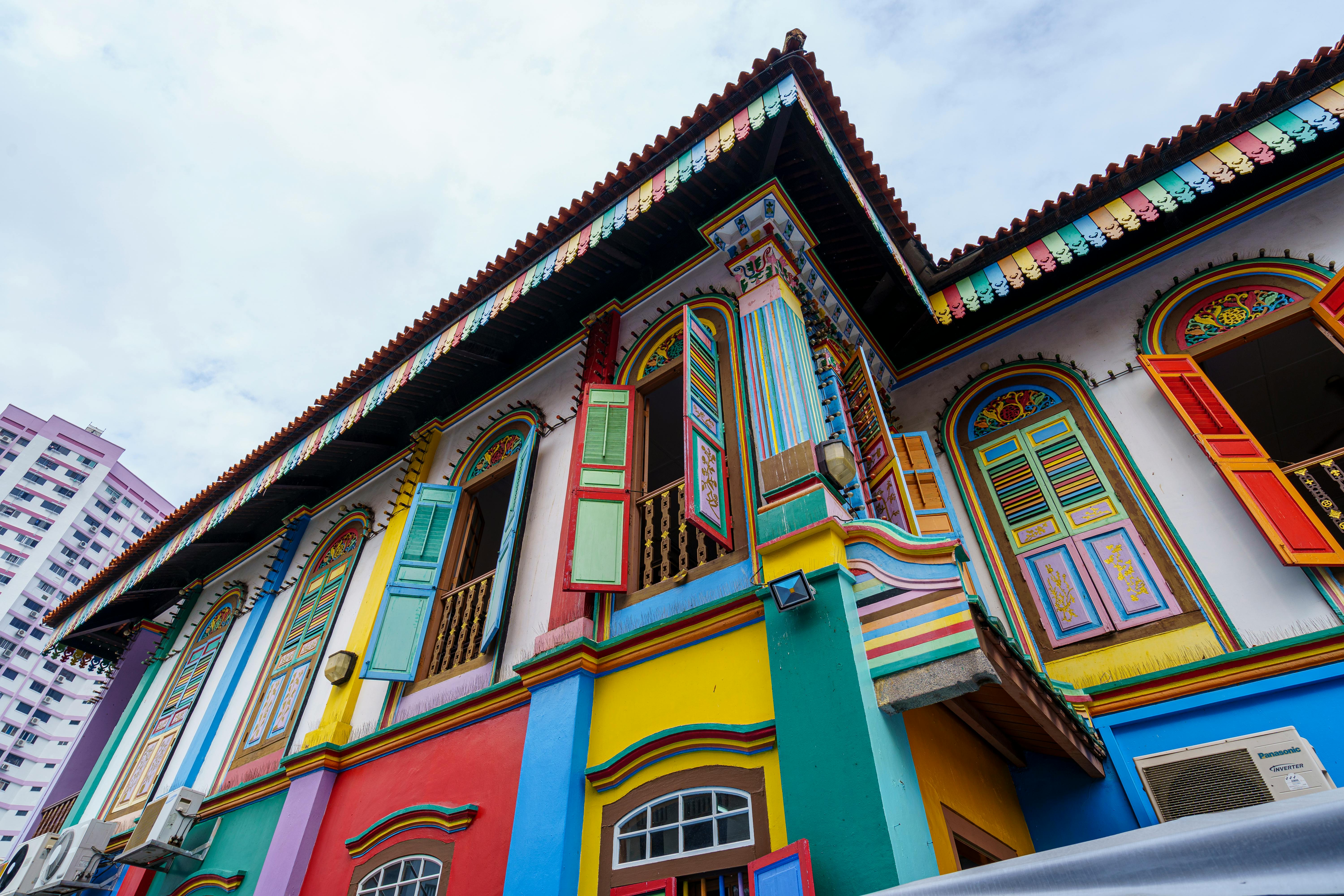
Singapore, often celebrated as a diverse tapestry of cultures and ethnic backgrounds, serves as a compelling model of racial harmony and multiculturalism. Instituted in 1997, Racial Harmony Day commemorates the pivotal 1964 race riots, underscoring the nation’s commitment to unity in the face of racial and religious division.
This annual observance on July 21st symbolises more than a historical milestone; it embodies a daily commitment to tolerance, respect, and understanding, emphasised in the Declaration of Religious Harmony. It reminds us that unity can prevail over division, that understanding can conquer ignorance, and that diversity can be a source of strength rather than strife.
Racial Harmony Day, as part of Singapore’s National Education program in schools, includes activities like wearing ethnic clothes, cultural presentations, talks, drama skits, and food stalls. It’s not just about commemorating history but about understanding and appreciating Singapore’s cultural diversity.
On this day, all who call Singapore home are encouraged to embrace and share their unique cultural heritages, transcending differences and connecting on a human level, not despite our differences but in celebration of them.

How You Can Celebrate Diversity Every Day
1. Reduce Prejudices:
Challenge the biases and stereotypes we hold. Push your own boundaries and comfort zones by seeking out new experiences and interactions with people from diverse backgrounds. Additionally, educate yourself and stay Informed by keeping up with current events and issues related to diversity and inclusion.
2. Practice Empathy:
See the world from other’s perspectives and put yourselves in the shoes of those we consider different from us.
3. Attend Cultural Events, Festivals, and Exhibitions:
Explore art, music, and dance from different cultures or engage in activities that promote cultural exchange and understanding. You can also visit heritage centres.
4. Reflect on Racial Issues:
Engage in introspection and dialogue on racial and religious harmony and your personal attitudes towards other cultures and races.
5. Learn Basic Words in Other Languages:
Use language as a bridge to connect with individuals from different cultures you naturally cross path with
6. Experiment with Cooking:
Try dishes from other cultures and share them with friends and family for a fun and tasty way to explore diversity.
7. Read Diverse Literature:
Explore works by authors from various backgrounds.
8. Recognize Cultural Days:
Celebrate days related to various cultures like Lunar New Year and Diwali, International Women’s Day, and more.
9. Engage in Dialogue:
Open and respectful conversations about race and ethnicity can help break down barriers and promote understanding. Invite friends from different backgrounds to share their traditions, customs, and stories with you, and reciprocate by sharing your own.
10. Support Inclusivity:
Advocate for inclusive policies in your community.
11. Support Minority-Owned Businesses:
Make an effort to patronise businesses owned by individuals from diverse backgrounds to help empower underrepresented communities.
12. Teach Children:
Instil appreciation for diversity in the next generation by teaching children about different cultures, traditions, and the importance of respecting others.
13. Challenge Discrimination:
Stand up against discrimination and bias when you witness it.
14. Lead by Example:
Be a role model for others in your community by embodying the values of respect, acceptance, and celebration of diversity in your everyday actions.

The Scientific Perspective on Diversity
The principles of racial harmony and social cohesion are intrinsically intertwined with the advantages of diversity. Recent research underscores the value of diversity in multiple settings.
For instance, diverse teams in healthcare demonstrate significant advantages, leading to better patient outcomes and reduced racial health disparities, as evidenced by studies that show higher patient compliance and satisfaction.
Diversity’s role in boosting creativity and problem-solving is also notable, with groups comprising varied backgrounds often surpassing homogeneous ones by leveraging a broader range of perspectives and information.
In the economic sphere, the success story of Singapore vividly illustrates the impact of diversity. The article ‘Culture, State, and Economic Development in Singapore’ highlights Singapore’s remarkable economic transformation, attributing it to the strategic integration of Western and Oriental cultural values by the state. This unique fusion of diverse cultural elements has been key in formulating innovative economic policies and strategies, transforming Singapore into a dynamic global economic hub. This approach not only fostered a vibrant economic environment but also demonstrated how effectively harnessed diversity can lead to exceptional outcomes in various domains, including economic development.
In education, diversity fosters cognitive development and openness, equipping students to thrive in an increasingly interconnected world.
Collectively, these examples underscore the multifaceted benefits of diversity, affirming its essential role in fostering inclusive, innovative, and effective environments across various sectors.
Conclusion
Racial Harmony Day is a living testament that, in reaction to social division, Singapore made a conscious choice to embark on a path of inclusivity, tolerance and harmony. We choose to believe that this decision stands as a beacon of hope, guiding the nation towards a future where all forms of diversity are celebrated and cherished as a precious asset. Just like empathy and forgiveness, navigating differences is a skill that can be developed through deliberate efforts, knowledge, and practice.
To meet with a professional psychologist or counsellor, call The Other Clinic at 8809 0659 or email us hello@theotherclinic.sg.
References:
Chang, J. H.-Y. (2003). Culture, state, and economic development in Singapore. Journal of Contemporary Asia, 33(1), 85-105.
Chang, M. J., Denson, N., Saenz, V., & Misa, K. (2006). The educational benefits of sustaining cross-racial interaction among undergraduates. The Journal of Higher Education, 77(3), 430-455.
“Diversity Improves Performance and Outcomes.” Journal of the National Medical Association (2019).
Gomez, L. E., & Bernet, P. (2019). Diversity improves performance and outcomes. Journal of the National Medical Association.
National Library Board. (2006). Singapore: The Encyclopaedia. Editions Didier Millet.
Phillips, K. W. (2014). How Diversity Works. Scientific American, October 2014 Issue.
Smith, D. G., & Schonfeld, N. B. (2000). The benefits of diversity: What the research tells us. About Campus, November–December 2000.