
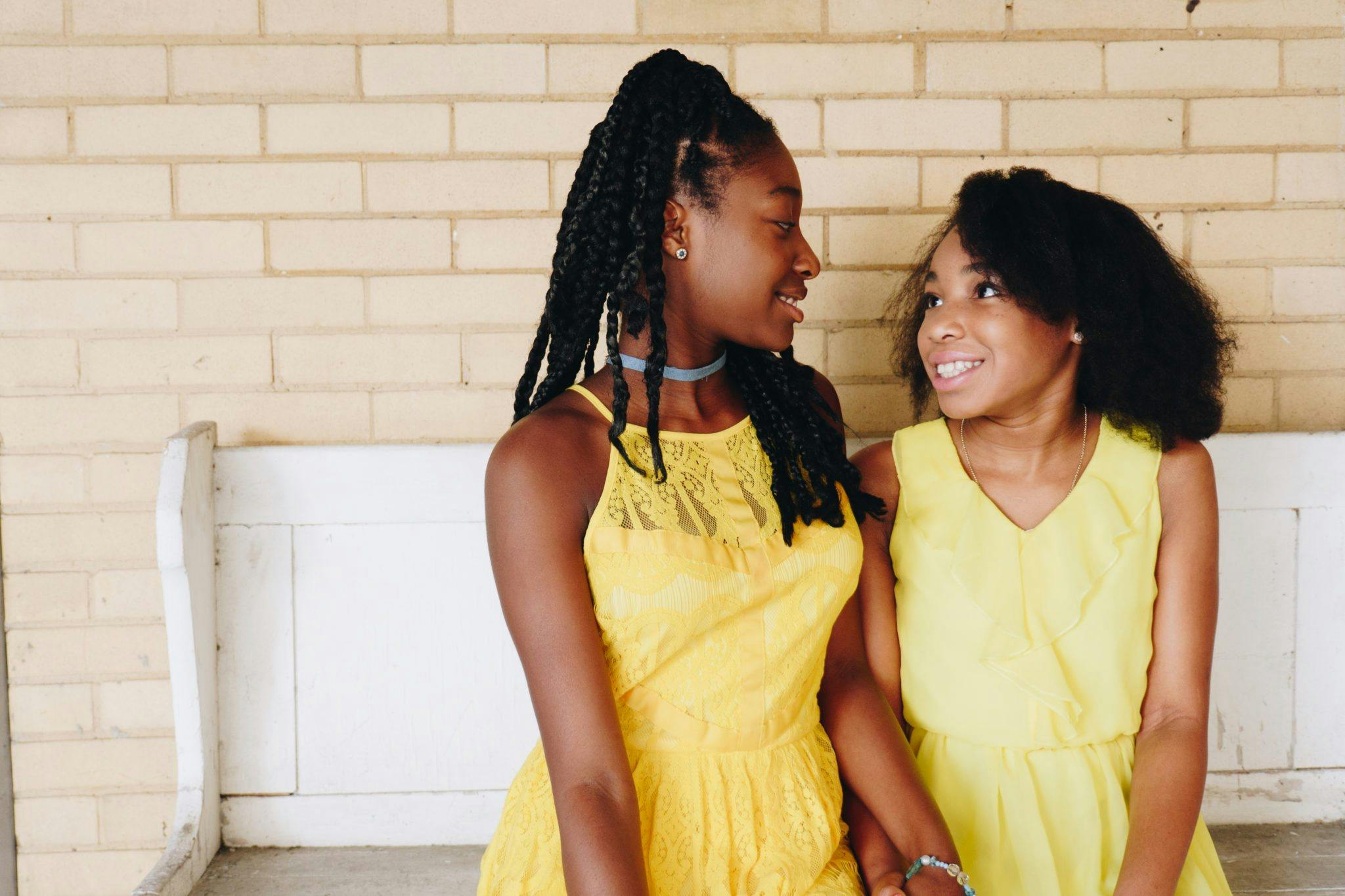
Siblings Day provides a unique and meaningful opportunity to celebrate and reflect on the profound connections between brothers and sisters, relationships that are often the longest-lasting and most impactful in our lives. It highlights the importance of nurturing these relationships, acknowledging their significant contribution to development and wellbeing. As a paediatric occupational therapist, we see the beauty and complexity of sibling dynamics and their influence on development.
The Significance of Sibling Relationships
As Siblings serve as companions, role models, and sometimes rivals they offer primary contexts for critical learning skills. These relationships contribute significantly to encouraging physical development, social skills such as communication, negotiation, and empathy through play. Studies have shown that interactions with siblings can enhance emotional understanding and cognitive abilities from a young age, helping children navigate the complexities of social relationships outside the family unit.

Physical Development
The physical play between siblings not only strengthens bonds but also promotes motor skill development. Tucker et al. (2013) observed that children engage in more diverse and physically challenging activities when playing with siblings than when alone or with parents [4]. This interaction encourages the practice of motor skills, enhancing physical development and coordination.
Cognitive and Educational Development
A study by Prime et al. (2014) suggests that older siblings can significantly influence the language development and academic performance of younger siblings through everyday interactions [3]. These findings underscore the potential for siblings to enhance cognitive skills, including verbal communication and problem-solving abilities, through their natural interactions.

Emotional and Social Growth
The emotional bonds formed between siblings provide a safe space for expressing feelings, practicing social norms, and learning to navigate complex emotional landscapes. Research highlights the significance of sibling interactions in the development of social competencies and emotional intelligence. Volling et al. (2017) found that sibling relationships contribute to the development of empathy, sharing, and cooperation, serving as a primary context for the acquisition of these essential social skills [1]. Furthermore, Howe et al. (2011) demonstrated that through sibling play, children learn to navigate social hierarchies, negotiate, and resolve conflicts, laying the foundation for successful peer relationships in later life [2].
Supporting Positive Sibling Dynamics in Therapy
Given the profound impact of sibling relationships on development, interventions aimed at promoting positive sibling dynamics can have lasting benefits. Incorporating siblings into therapeutic play sessions can enhance engagement, motivation, teach siblings to recognize and respond to each other’s emotional cues, emotional expression, and development of empathy. Thus, providing opportunities for social learning and overall skills development.

Strategies for Promoting Healthy Sibling Relationships
1. Supporting Individual Interests: Recognizing and celebrating the unique strengths and interests of each sibling can reduce rivalry and promote mutual respect.
2. Modelling and Teaching Conflict Resolution: Implementing strategies that encourage positive communication and problem-solving can help siblings navigate conflicts
constructively.
3. Encouraging Cooperative Play: Designing activities that require collaboration can foster teamwork and empathy, as siblings work towards a common goal.
Conclusion
The Sibling Day serves as a reminder of the integral role siblings play in shaping each other’s lives and reinforcing the value of incorporating healthy sibling dynamics into therapy practices to support the developmental milestones and overall growth of every child. By supporting and nurturing these relationships, we can help all children, including those with developmental challenges, reach their full potential. Let’s use this day to appreciate and promote the positive impact siblings have on each other.
To meet with a professional psychologist or counsellor, call The Other Clinic at 8809 0659 or email us hello@theotherclinic.sg.
References
1. Volling, B. L., McElwain, N. L., & Miller, A. L. (2017). Emotion regulation in context: The jealousy complex between young siblings and its relations with child and family characteristics. Child Development, 88(2), 688-704.
2. Howe, N., Recchia, H., Della Porta, S., & Funamoto, A. (2011). “You be the big sister”: Maternal-prescribed sibling interaction in families with a child with autism. Social Development, 20(2), 388-411.
3. Prime, H., Pauker, S., Plamondon, A., Perlman, M., & Jenkins, J. (2014). Siblings as socialization agents: Exploring the role of ‘sibling talk’ in the linguistic environment of the home. Social Development, 23(3), 603-620.
4. Tucker, C. J., Updegraff, K. A., McHale, S. M., & Crouter, A. C. (2013). Older siblings as socializers of younger siblings’ empathy. Journal of Early Adolescence, 33(2), 252-270.