
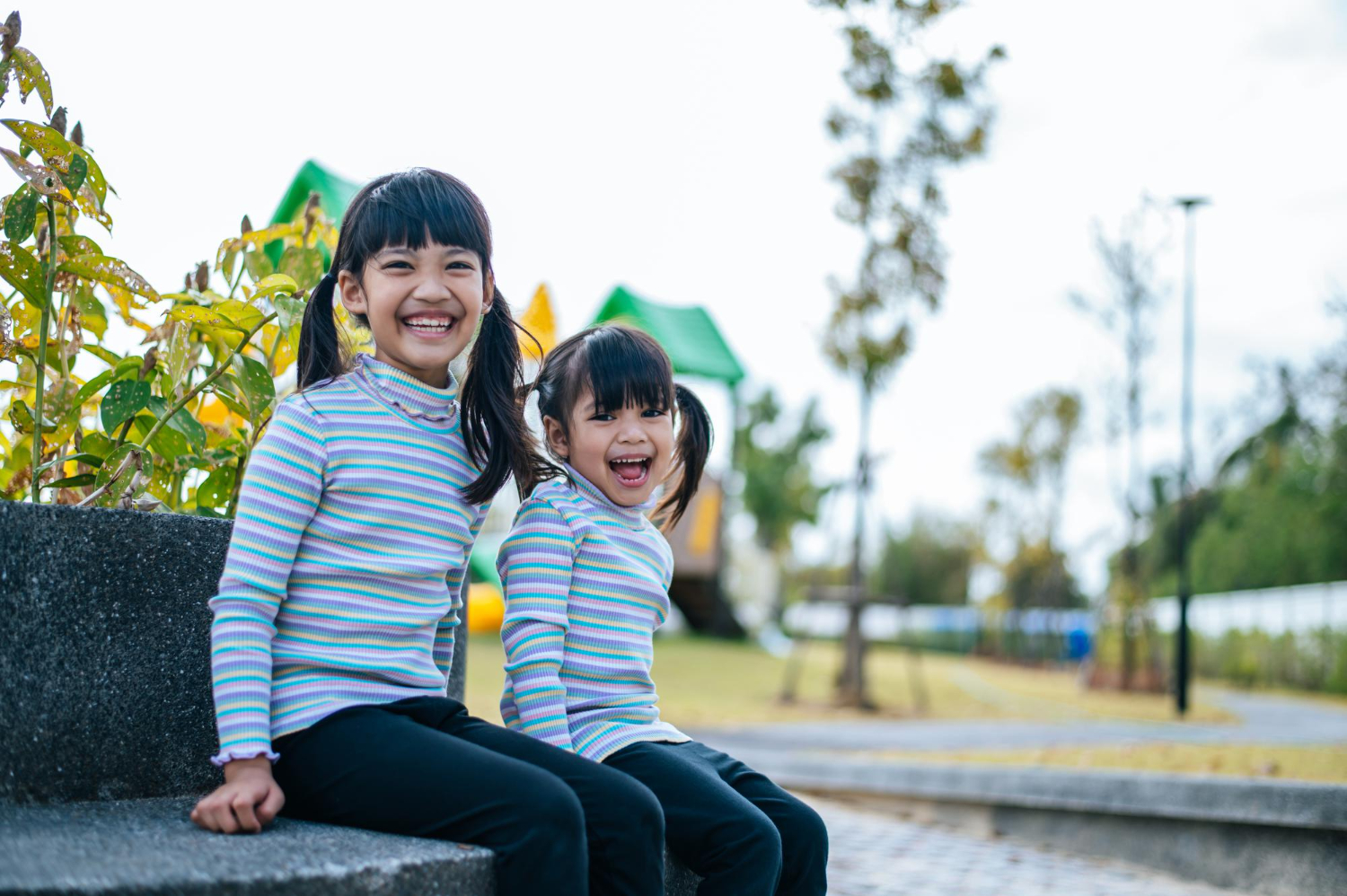
Sibling relationships are among the most complex and dynamic relationships we encounter throughout our lives. They can be a source of joy, support, and companionship, but they can also lead to rivalry and sometimes conflict (Salmon & Shackelford, 2011; Stocker et al., 2020).
Siblings often share a unique bond shaped by their shared experiences. As they grow up together, they navigate family traditions, face challenges, celebrate milestones, and experience significant life events, all of which contribute to a deep and lasting connection (Tanskanen & Danielsbacka, 2020). In times of need, siblings often act as crucial support systems, offering understanding and empathy that may not always be available from parents (Salmon & Shackelford, 2011). This emotional support can be invaluable, reinforcing the idea that while sibling relationships can be complex, they are also deeply rewarding.
However, these relationships can also become sources of frustration. Rivalry, where competition for parental attention or resources can sometimes lead to feelings of jealousy and resentment, impacting the overall relationship (Campione-Barr & Smetana, 2010). Communication breakdowns can exacerbate tensions; misunderstandings or a lack of effective communication may escalate conflicts, making it difficult for siblings to resolve their differences (Hashim & Ahmad, 2016). Moreover, differing personalities can create friction in the relationship, as clashing temperaments may lead to disagreements and misunderstandings.

To cultivate a loving and supportive sibling relationship, there are several strategies to consider:
Encourage Open Communication: Create an environment where thoughts and feelings can be shared without fear of judgement.
Celebrate Individuality: Recognize each sibling’s unique traits and interests, supporting them in pursuing their passions.
Set Boundaries: Establish clear boundaries regarding personal space and privacy to reduce conflicts over shared belongings or time.
Foster Support and Empathy: Acknowledge and celebrate moments of support and positive engagement among siblings. Offering support and showing empathy can strengthen bonds and promote healthy relationships.
Engage in Shared Activities: Foster connection through shared hobbies or family outings that allow for positive interactions.
Create Family Traditions: Establish regular family activities, such as game or movie nights. These traditions help create shared memories and strengthen bonds over time.
Sibling relationships are a tapestry woven from love, rivalry, support, and annoyance. Embracing both the joys and challenges of these relationships is key to nurturing a harmonious family environment.
To meet with a professional psychologist or counsellor, call The Other Clinic at 8809 0659 or email us hello@theotherclinic.sg.
References:
Campione-Barr, N., & Smetana, J. G. (2010). “Who Said You Could Wear My Sweater?” Adolescent Siblings’ Conflicts and Associations With Relationship Quality. Child Development, 81(2), 464–471. https://doi.org/10.1111/j.1467-8624.2009.01407.x
Hashim, R., & Ahmad, H. (2016). Family Environment, Sibling Relationship and Rivalry towards Quality of Life. Environment-Behaviour Proceedings Journal, 1(3), 113. https://doi.org/10.21834/e-bpj.v1i3.356
K., O’Neal, C. W., & Wickrama, K. A. S. (2020). Sibling relationships in older adulthood: Links with loneliness and well-being. Journal of Family Psychology, 34(5), 522–522. https://doi.org/10.1037/fam0000668
Salmon, C., & Shackelford, T. K. (2011). The Oxford handbook of evolutionary family psychology. Oxford University Press.
Tanskanen, A. O., & Danielsbacka, M. (2020). Parenthood status and relationship quality between siblings. Journal of Family Studies, 26(2), 260–271. https://doi.org/10.1080/13229400.2017.1374203