
Quick Tip: GOOD PARENTS HAVE NEURODIVERGENT KIDS, parenting did not cause neurodivergence.
It is important that parents know that nothing you did, do or don’t do will directly “cause” a neurodevelopmental disorder. While situational factors can certainly play into diagnoses like depression, anxiety, PTSD and trauma your parenting will not cause developmental disorders such as ADHD, ASD, tic disorders, learning disorders or ID.
Are there certain parenting styles that can exacerbate traits and behaviours that are already difficult? Yes!
Are there interventions we can implement to make the hard things easier? Yes!
Will they change their diagnosis? They will not! Your child cannot be untangled from their neurodevelopmental profile, it is part of them. But the hard work can be made easier over time with the right support.
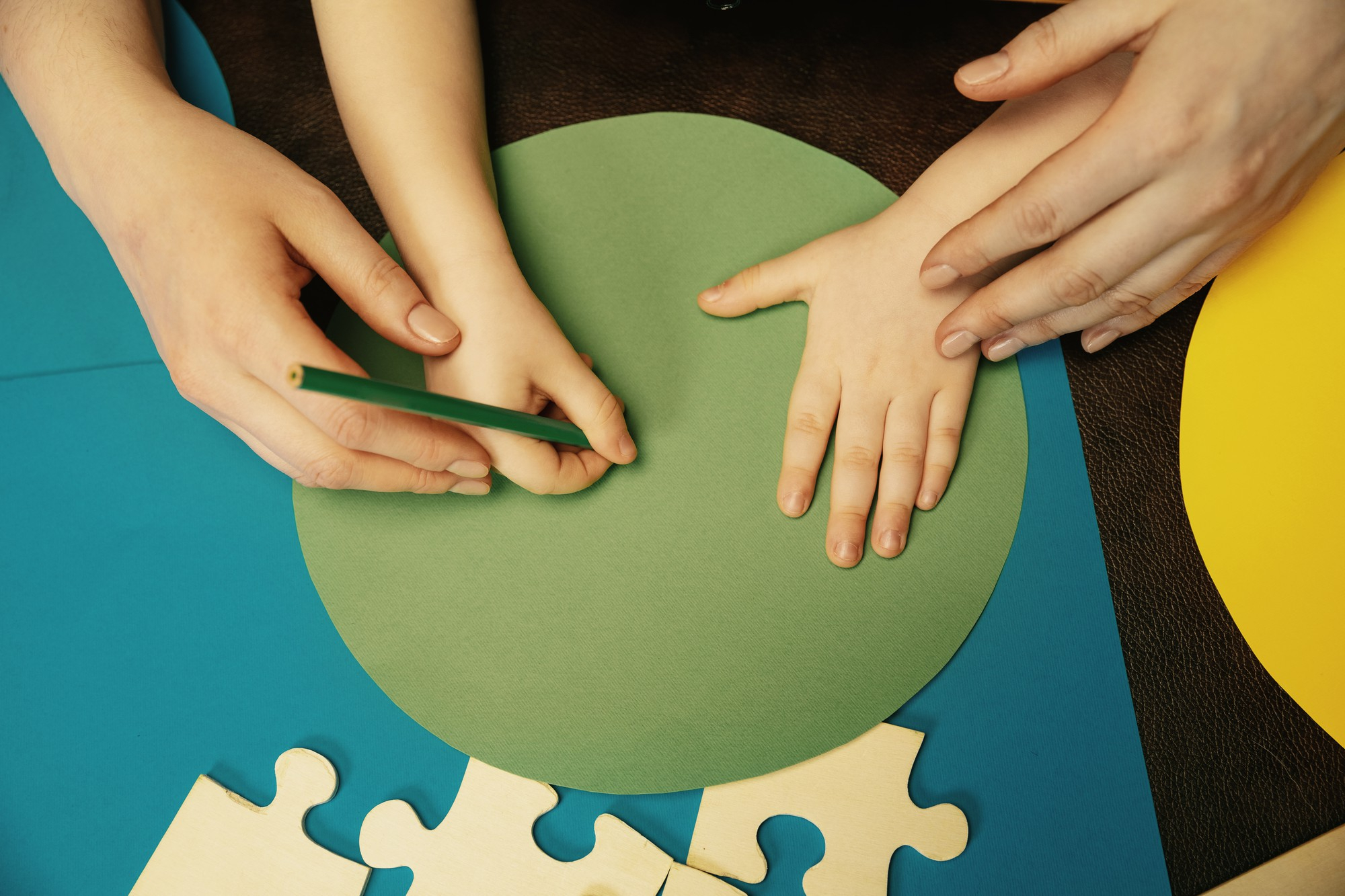
Co-regulation is a process where parents can support their children to manage and regulate their emotions, behaviours and sensory experience. Neurodiverse children can have conditions which make self-regulation more difficult. Coregulating strategies are different compared to traditional forms of regulation, where your child is expected to independently manage their emotions. Rather, co-regulation involves parents guiding and supporting the child through emotional moments and helping them develop strategies for self-regulation in the future.
What are some of the key elements of co-regulation that you can start implementing in your daily lives? At first glance some of these may appear simple, things that we already do with our children. But take a moment as you read through these to self-reflect on how we could co-regulate with our children better.

Be present and attentive. An adult’s ability to be emotionally and physically present is a crucial first step in co regulation. Children, specifically those who are neurodiverse need reassurance that they are safe and supported. Being attentive and present in your child’s space can help calm the child and signal to them that their emotions are valid. In order to do this well it is important to remove any personal distractors like mobile phones from your body. This is not possible ALL of the time, but in the moment, you are engaging to be present and attentive. It is helpful to remove all distractors to help support this process.
It is important to model empathy and understanding when our neurodiverse children are experiencing big emotions. When emotions and sensory stimuli are being experienced more intensely by children, empathetic responses are important. By acknowledging the child’s feelings and offering a calm, understanding approach, the child can feel heard. It is important to not engage in verbal problem-solving during times like this. Experiencing big emotions and sensory overload in the brain and body overrides the child’s ability to cognitively process and problem solve in the moment. Rather, your child feels heard by your display of empathy – echoing what they are feeling and letting them know that they are safe and ok.
It is also important to model self-regulation strategies in front of your child. Parents can show how they regulate their own emotions in moments of stress or frustration. This includes taking deep breaths, using calm words, or stepping away to gather themselves. Modelling healthy coping strategies provides the child with a framework they can learn to apply. If your child uses the strategy of fidget toys or a weighted blanket, then using these strategies for yourself in front of your child can model for them what they can do when they are feeling overwhelmed with the tools that are there to support them.
Create a calm environment in your home. If you sense your child is feeling tired, overwhelmed or having difficulty coping they may benefit from sensory adjustments (e.g., dimming lights, using noise-cancelling headphones, or engaging in deep-pressure activities). This can create an environment where the child feels more comfortable and able to regulate.
Setting up verbal and/ or nonverbal cues between you and your child at times when you observe your child having difficulty regulating can help build consistency and comfort. Depending on the specific needs of your child you can use calming words or cues (such as specific phrases or gestures) to help guide your child back to emotional balance. Non-verbal communication, like offering a comforting touch or visual prompts, can also be helpful.
Creating an environment that is predictable and structured will be helpful in supporting regulation for your child. Neurodiverse children often thrive in predictable environments. Co-regulation can include preparing the child for transitions or changes, setting clear routines, and offering visual schedules to help manage expectations.

Providing space and time during moments where your child is dysregulated can be helpful in not allowing an escalation of emotions and behaviours in the moment. Sometimes, the best way to co-regulate is to give the child space and time to process their emotions. For some neurodiverse children, over-stimulation or pressure can worsen the situation. Adults need to be patient and allow the child to self-soothe when needed.
Celebrating small victories in self-regulation, such as a child recognizing when they need a break or using a coping strategy, can encourage them to develop these skills further. This is called positive reinforcement. Giving attention and praise to the child in moments when they have effectively implemented appropriate strategies to support their regulation.
Co-regulation is important for neurodiverse kids as it promotes emotional growth. Neurodiverse children (even neurotypical children) may struggle to identify or express their emotions. Co-regulation helps them better understand and articulate their feelings, laying the groundwork for emotional maturity.
Experiencing co-regulation with a safe person can help decrease anxiety. By helping your child to regulate in moments of stress, co-regulation can reduce anxiety and prevent meltdowns or outbursts, which are common in neurodiverse children.
Over time, children can learn the tools they need to eventually regulate their emotions on their own. Co-regulation is not just about calming the child in the moment, but also teaching them strategies they can internalize and support the development of their own self-regulation skills over time.
Learning to manage emotions with the help of a co-regulating adult can improve a child’s ability to interact socially, build relationships, and engage in school and community settings.
Co-regulation is an essential practice for supporting neurodiverse children in learning how to manage their emotions and behaviours in a healthy, supportive way. It builds trust and helps them develop the tools they need for greater emotional independence as they develop.
To meet with a professional psychologist or counsellor, call The Other Clinic at 8809 0659 or email us hello@theotherclinic.sg.
References:
Cleary, M., West, S., Mclean, L., (2023) From ‘refrigerator mothers’ to empowered advocates: The evolution of the autism parent, Issues in Mental Health Nursing 44 (1), 64-70.
Lin Xiujin, Su, et al (2023). Association between maternal parenting styles and behavioural problems in children with ASD: Moderating effect of maternal autistic traits. Frontiers in Psychiatry Vol 14 DOI=10.3389/fsyt.2023.1107719