
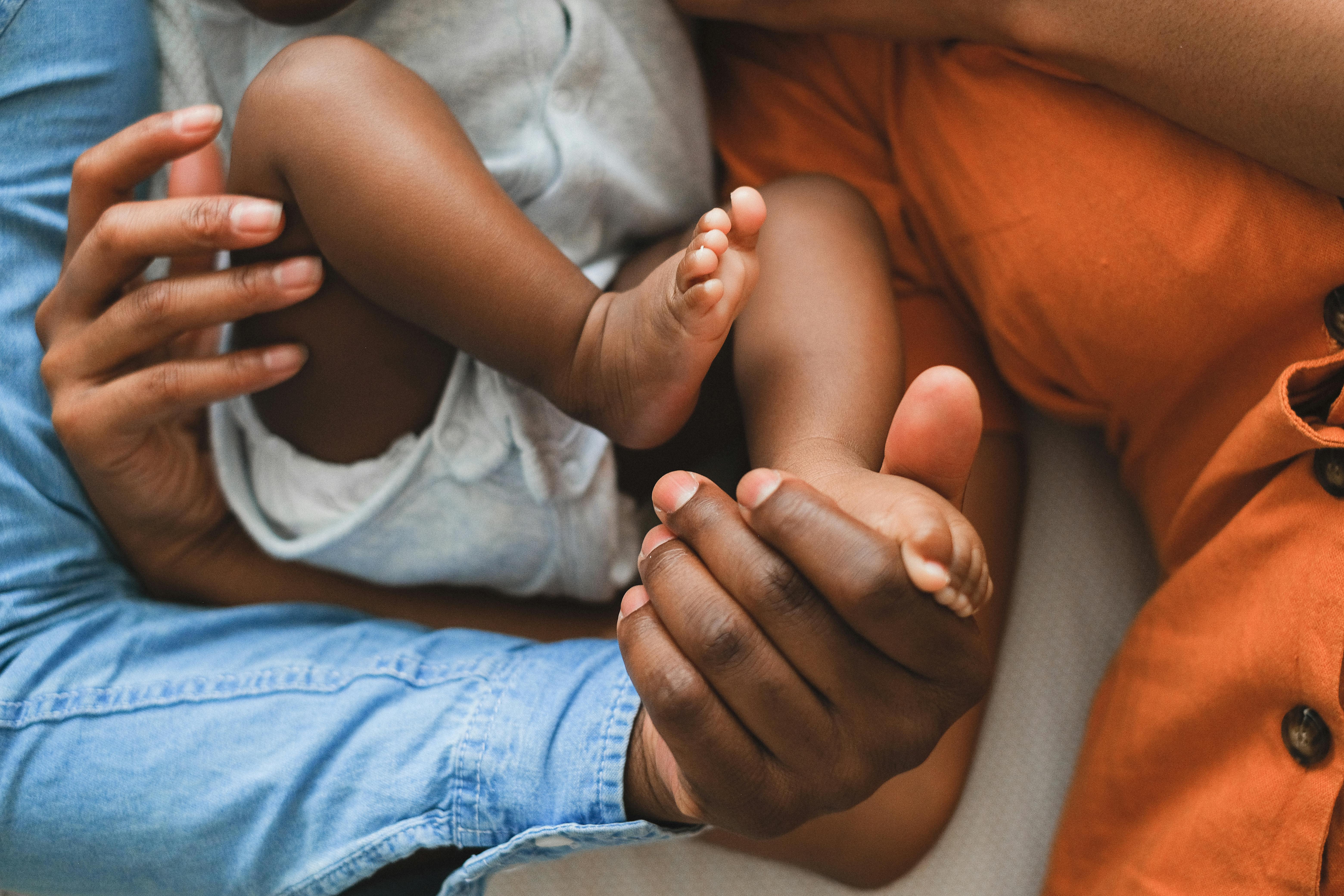
November 9th is World Adoption Day, an opportunity to celebrate and hear from adoptees and families who have adoptees.
The adoption process for both adoptees and families can be psychologically challenging to navigate. According to the United Nations, children tend to be adopted during early childhood, where over 60% of children are adopted before the age of 5. Unfortunately, adopted children are more likely to have experienced trauma prior to adoption, which could occur prenatally (e.g., nutritional deficiencies) and/or postnatally (e.g., neglect, abuse; Brodzinsky et al., 2022). Adoptees may also present with behavioural and emotional difficulties such as emotional dysregulation, physical aggression, and anxiety that can be difficult to manage (Hornfeck et al., 2019). They may also present as insecurely attached due to their traumatic background. Adopted children also tend to have higher rates of symptoms of oppositional defiant disorder and ADHD (Simmel et al., 2001).
Research has highlighted that parenting plays an important role in seeing more positive outcomes in adopted children’s psychological wellbeing, specifically parental warmth, sensitive and positive parenting (Brodzinsky et al., 2022). Hence, the environment the family creates for the adopted child is crucial in helping the child grow up happy and healthy.

Here are a few tips to help your adopted child adjust and support their difficulties:
Questions regarding their origin and adopted status:
- It’s strongly recommended for parents to be honest with adoptees that they are adopted. This may be challenging to navigate as parents may not want their child to feel different or that they are not loved but being open and honest with your child can facilitate increased trust between the two of you.
- If your child asks a question you’re unsure how to answer in an age-appropriate manner, you can be honest that you’re not sure of the answer too and try to find out together.
If your child is encountering difficult questions about their adopted status:
- Acknowledge and validate the difficulties and emotions they’re feeling
- If they’re experiencing difficulties in school, speak to their teacher on how you can work together to mitigate the situation and advocate for your child
- Empower your child by roleplaying scenarios with them on how they can respond to these questions
- If your child is comfortable to do so, you can help turn this situation into an opportunity to educate those around them on adoption from a first party perspective
- E.g., show and tell performance at school

If they’re presenting with “big emotions”:
- Try to give your child some space to cool down or regulate together with them such as soothing them through holding them or using objects they find comforting (e.g., toy, blanket)
- Recognise the emotions that you as the parent are also experiencing. If you realise your emotions are rising too and you need to manage them first, it would be best to separate yourself from the situation so both of you can cool off.
- After both of you are calmer, you can debrief on the situation with your child.
- Acknowledge the emotions the child was feeling and understand what triggered the emotion.
- Validate that it’s alright to feel the emotion as it’s important to teach your child that experiencing a range of emotions – both positive and negative is natural and appropriate.
- Explain what you were concerned about and allow your child to explain their perspective as well
- Engage in a collaborative discussion on how you could support your child in a similar situation in the future and get their thoughts on what could be helpful (e.g., coping strategies)
- It’s important to avoid harsh parenting strategies as they are less effective than positive parenting and showing warmth and empathy.
- Adopted children who were adopted at an older age are more likely to have experienced harsh punishment. This could potentially have a traumatising effect on them where they could be re-traumatised or it triggers high levels of distress.
To meet with a professional psychologist or counsellor, call The Other Clinic at 8809 0659 or email us hello@theotherclinic.sg.
References:
Brodzinsky, D., Gunnar, M., & Palacios, J. (2022). Adoption and trauma: Risks, recovery, and the lived experience of adoption. Child Abuse & Neglect, 130. https://doi.org/10.1016/j.chiabu.2021.105309
Hornfeck, F., Bovenschen, I., Heene, S., Zimmermann, J., Zwönitzer, A., & Kindler, H. (2019). Emotional and behavior problems in adopted children – The role of early adversities and adoptive parents’ regulation and behavior. Child Abuse & Neglect, 98. https://doi.org/10.1016/j.chiabu.2019.104221
Simmel, C., Brooks, D., Barth, R.P., & Hinshaw, S. P. (2001). Externalizing symptomatology among adoptive youth: Prevalence and preadoption risk factors. Journal of Abnormal Child Psychology, 29(1), 57 – 69. https://doi.org/10.1023/a:1005251513130
United Nations Department of Economic and Social Affairs. (n.d.). Guidelines and principles for improving data on international migration. United Nations. https://www.un.org/en/development/desa/population/publications/pdf/policy/Guidelines_ImprovingData.pdf