
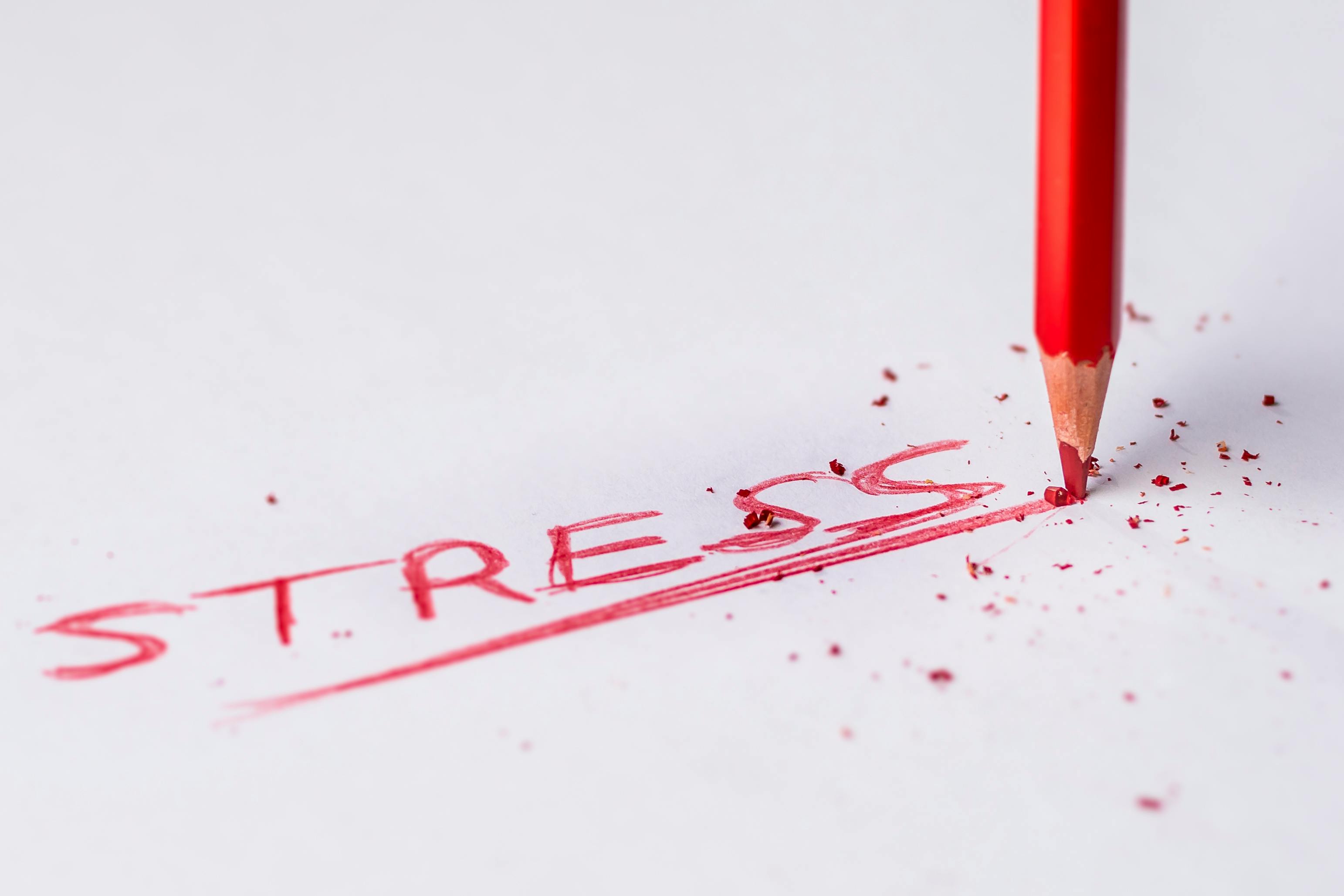
International Stress Awareness Week is typically observed during the first week of November each year. It aims to raise awareness about the causes and cures for stress, as well as providing support and resources for those struggling with stress. It’s a great opportunity to learn more about stress management techniques and prioritise mental health and well-being.
How do we categorise stress and what causes it?
There are numerous potential causes of stress, and they can vary greatly from person to person. Some common causes of stress include:
- Work or school pressures: Deadlines, workload, and high expectations can lead to stress.
- Relationships: Difficulties with friends, family, or romantic partners can be a significant source of stress.
- Financial problems: Issues related to money, such as debt or job insecurity, can cause stress.
- Health concerns: Dealing with illness, chronic pain, or caring for a sick loved one can be stressful.
- Major life changes: Events like moving, getting married, having a baby, or dealing with a loss can all be stress-inducing.
- Uncertainty or lack of control: Feeling like you have little control over your circumstances can lead to stress.
- Traumatic events: Past traumas or ongoing exposure to dangerous or threatening situations can lead to stress.
- Becoming overwhelmed: Trying to juggle too many responsibilities or tasks at once can be overwhelming and stressful.

These are just a few examples of common stressors, and each person may react differently to them. As human beings we are all unique, so It’s important to identify what specifically causes stress for you and to develop coping strategies to manage it effectively.
People often confuse experiencing stress with having anxiety, but how can we tell the difference? The most important thing to note is that stress is a normal everyday occurrence, the minute something happens that is not the norm or outside of our comfort zone (as per the examples given above) it is normal for our bodies to experience stress and for our minds to often go into overdrive and to overthink. This is the natural response of the body and brain (both mentally and physically) to perceived dangers or threats and to search for a system or method of coping.
Stress is an important part of growth and development, when we push ourselves outside of our comfort zone, we learn new skills, we develop and we grow. It’s like flexing muscles at the gym, we sometimes push our muscles to their limit in repetitive weight bearing exercises until we become fatigued. But then we need to rest and this is KEY. Without this important resting period, our muscles don’t get the chance to repair and recover and get stronger. In the same way, when we experience stress, it’s important to rest and repair as soon as we get the chance. If not, the stress can become perpetual and turn into a state of anxiety where one gets stuck into a continuous mental cycle of worry that can often be hard to break.

Stress can creep up on us in various ways before we know it, so it’s important to be aware of both the physical and emotional signs of stress.
Common indicators that you may be experiencing physical stress may be recurrent headaches, excessive tiredness, difficulty sleeping, stomach or digestive upset, feelings of panic or rapid heartbeat, tightness in the chest, neck and shoulders, excessive sweating, changes in your appetite, body pains or frequent illness often caused by a weakened immune system. Emotional stress and physical stress often overlap, one can lead to the other or exist alone, signs of emotional stress can be constant irritability or notable mood swings, worry, feeling overwhelmed or not in control, racing thoughts (over thinking) and difficulty concentrating, feeling sad or changes in your behaviour or habits.
If you notice several of these symptoms occurring frequently or intensifying over time, it may indicate that you are experiencing stress. It’s essential to recognize these signs early on and take steps to address the stress in healthy ways, such as seeking support from a counsellor, practising relaxation techniques, or making lifestyle changes to reduce stressors.
Try to pay close attention to your body and how it’s feeling because when we experience negative emotions or feelings, it’s usually our bodies telling us that something is awry and it needs our close attention. As humans, leading very busy lives we have become accustomed to ignoring or overriding these internal cues and signals, until they are banging down our door and we feel helpless to respond. Becoming more self aware and paying close attention to our feelings and our bodies is a practice, it takes time and effort, it can’t be achieved overnight but if you take small steps to improve it on a weekly basis, you will start to reap the benefits.

Journaling is a great way to record these feelings so that you are noticing, naming and normalising your feelings as you go about your week. Feelings and thoughts (both positive and negative) come and go like the weather so the art is to learn to sit with them comfortably, to acknowledge and accept them (e.g. this is a bad moment) knowing that they will pass eventually and tomorrow will be another new day with different feelings and thoughts.
Instead, many of us don’t like to experience negative thoughts so we continuously look to push them away, try to block them out and AVOID them but the more we do this, the more pressing the bad feelings become. This is a sure way to create anxiety – perpetual gridlocked worry and stress.
Let’s try and look at some unhealthy ways of dealing with stress so we know what NOT to do. As we have just mentioned, avoidance is not an advisable way to go. If you have a problem, avoiding it can be problematic and ignoring or avoiding the cause of your stress can lead to it building up over time. Turning to substances to numb your stress or pain whether it be alcohol, drugs or smoking, may be soothing in the short term but in the long run it could lead to substance abuse, worsen the stress and contribute to other health issues, including social isolation. Using food as a coping mechanism by bingeing or undereating can lead to unhealthy eating habits and potentially impact your physical health. Taking out your stress on others by venting or lashing out at others can damage relationships and create even more stress in the long run. Spending too much time on electronic devices can increase stress and impact your mental well-being by leading you to become more socially isolated.

It’s important to be aware of these unhealthy or maladaptive coping mechanisms and make an effort to replace them with healthy strategies for managing stress. Here are some ideas:
- Try to exercise regularly as physical activity can help reduce stress and improve your mood.
- Practice mindfulness or meditation – these techniques can help calm your mind and reduce stress levels, there are many free Mindfulness Apps available like Calm and Headspace to help you focus on this.
- Getting enough sleep is very important as inadequate sleep can contribute to long term stress.
- Maintaining a healthy diet by eating well-balanced meals can help support your overall well-being and how you feel about yourself.
An essential part of what makes us human is the need for connection and support from others so making sure we keep connected with friends and finding common humanity in all that we do is a great thing to seek. We talked earlier about taking a break so please remember to give yourself time to relax and recharge, even if it’s just for a few minutes each day and try to engage in hobbies: Doing activities you enjoy can help take your mind off stress and boost your mood.
There are lots of strategies to help you deal with stress but always remember you are not alone in this struggle, it’s universal, everyone goes through it. Reach out for help and support from friends, family and/or a professional counsellor to help you along the way.
- Written by Natasha Kottegoda-Breden
To meet with a professional psychologist or counsellor, call The Other Clinic at 8809 0659 or email us hello@theotherclinic.sg.